

By Admin. Updated 2:29 p.m., Tuesday, January 30, 2024, Atlantic Standard Time (GMT-4).
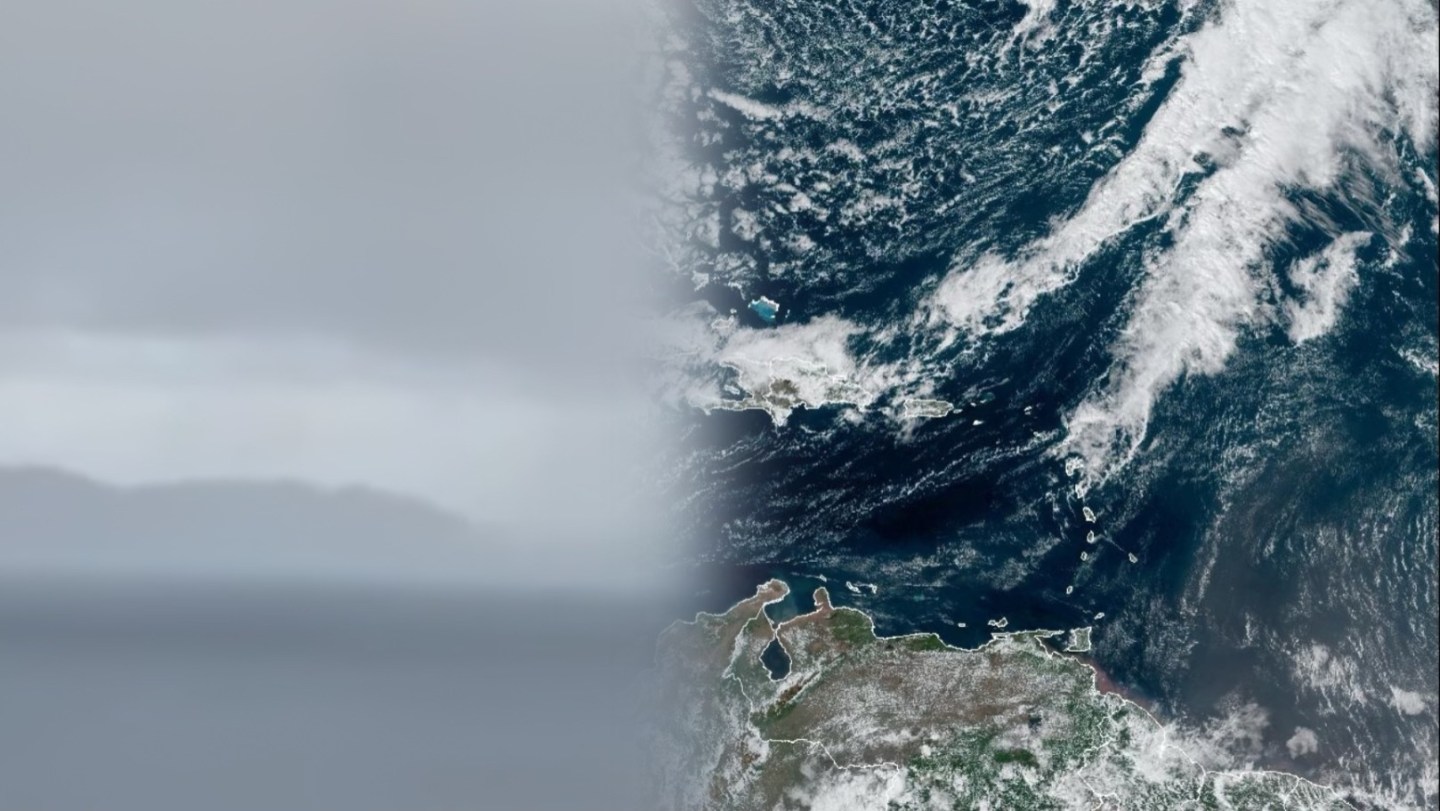
People with asthma, other respiratory issues, and preexisting heart disease are advised to exercise caution as a thick plume of Saharan dust covers the area.
In a January 30 press release, the Ministry of Health, Wellness, and the Environment said the concentration of Saharan dust will begin affecting St. Vincent and the Grenadines (SVG) from Tuesday January 30 and will intensify tomorrow (January 31).
The ministry said people with respiratory and heart issues should exercise caution.

“The anticipated concentrations of the Saharan dust may severely affect persons with respiratory diseases such as asthma and persons with pre-existing heart disease”.
The ministry said: “The elderly and children are also vulnerable at this time”.
The Ministry of Health, Wellness and the Environment said particles contained within the Saharan dust haze can cause a dry cough, sore throat, itchy, watery eyes, sneezing, and runny nose.
“Persons with respiratory issues and allergies are asked to always keep with them all medications, including asthma inhalers, needed to manage their conditions. Persons should limit their exposure to the Saharan dust by staying indoors when possible or wearing a dust mask if they must go outdoors,” the release added.
The ministry said: “Affected persons should seek medical attention at their nearest health care center if they experience worsening symptoms because of increasing levels of Saharan dust”.
About the dust plume, according to the health ministry’s press release:

“The Meteorological Services at the Argyle International Airport in an advisory issued on Sunday January 28, 2024, advised that starting on Tuesday January 30, 2024, St. Vincent and the Grenadines will be impacted by increasing levels of haze caused by a thick plume of Sahara dust.
An initial occasional film of haze is possible across the islands progressing to moderate haze in the evening with decreasing visibility across St. Vincent and the Grenadines,” the release added.
Overnight increasing concentrations of Sahara dust from the plume will result in very poor visibility by Wednesday, January 31, 2024.
 One News SVG