


By Rawdica Stephen. Updated 7:26 p.m., Monday, July 29, 2024, Atlantic Standard Time (GMT-4).
This article was first published by the Caribbean Investigative Journalism Network (CIJN). It is part of a publication in which four other Caribbean Journalists investigated depleting fish stocks in their respective countries as part of the CIJN.
Depending on who is speaking, St Vincent and the Grenadines is anywhere between experiencing a boom in fisheries and the reality of gradual, despairing decline.
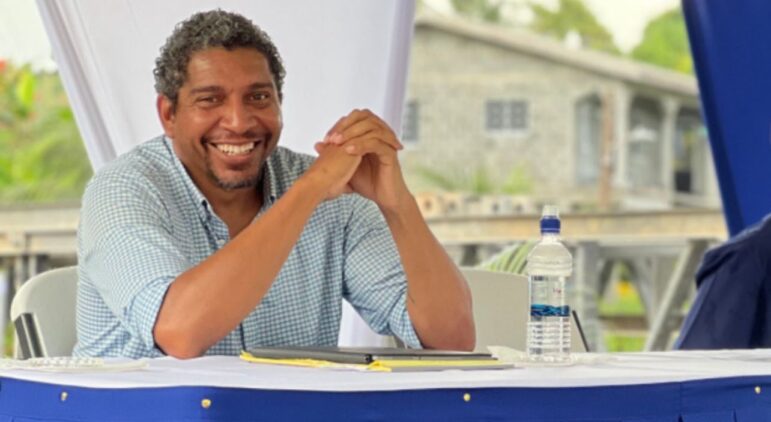
Local fishermen interviewed for this story all claimed there has been a serious reduction in catches. But, in a speech to open the 47th Annual Fisherman’s Day competition on May 27, Finance Minister Camillo Gonsalves noted: “The fish stock in St. Vincent and the Grenadines has doubled in comparison to that of other years.”
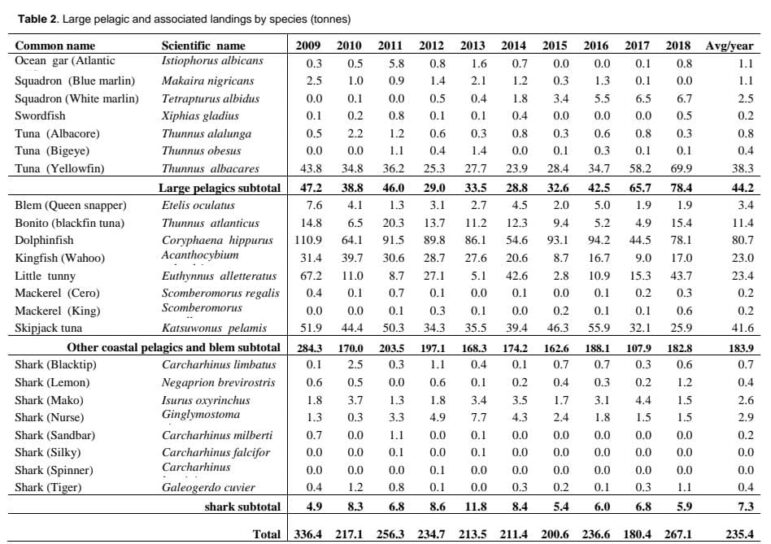
A 2021 study by the United Nations Food and Agriculture Organisation (FAO) however suggests that there are several important variables to be considered before a final verdict is considered.
For example, its research spanning 28 different landing sites suggests that depending on species, locations, and timing the indicators may point in different directions.
The data indicate that some fish species are particularly susceptible to overfishing because of poor growth rates or limited ability to reproduce, which puts them at risk of population depletion. Additionally, fishing during the breeding season can interfere with cycles of reproduction, making it more difficult for fish populations to be replenished.
The FAO study noted several patterns related to different species and population shifts.
However, data analysed from the Fisherman’s Day festivities over the last 10 years suggest an overall decline in fish stocks.
Annually, the winner of the largest catch is announced, and data sourced from local news articles showed that the winners’ catch in the year 2015 totaled 3111.8 pounds while in the years 2017 and 2018 the winners’ catch totaled 462 and 928 pounds respectively.
Concerned industry watchers suggest that changing circumstances such as marine pollution, uncoordinated infrastructure growth, global warming, and other natural elements contribute to disruptions in supply.
Whatever the reality, fisherfolk say they have made a commitment to ride the tide despite a wave of difficulties that threatens their lives and means of survival.
Randolph Medford, who has been fishing since the age of 15, believes the decline in fish stocks could be attributed to global warming. He says “because of the warm water, some fish just go”. Medford also spoke about the decline in the context of his role as a competitor in the annual Fisherman Day activity
“Well,” he said, “the first time I caught about almost 500 pounds, second time almost the same thing and this year I’m catching up to something, 200 something pounds”.
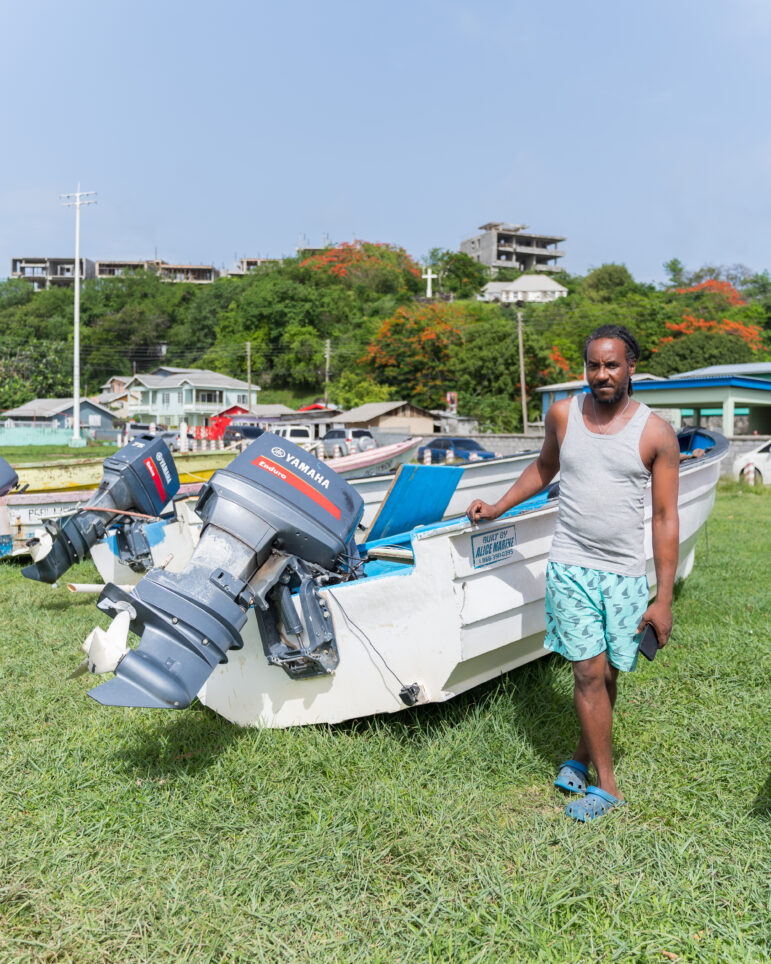
Meanwhile, Eli slater who has been fishing professionally for the last 45 years pointed to a number of reasons for the decline in fish such as global warming, infrastructure development, pollution, and the eruption of La Soufriere volcano between 2020 and 2021.
CLICK HERE TO READ THE FULL ARTICLE ON THE CIJN’s WEBSITE
About Rawdica R. Stephen, as written by the CIJN.
Rawdica Stephen began her career in media 2012 at the National Broadcasting Corporation/ NBC Radio in St Vincent and the Grenadines with no experience or prior training. One year later, she was exposed to a one week training session held on broadcast production techniques which was carried out by UNESCO in collaboration with NBC Radio. This was her inspiration to seek more training. Rawdica now holds a Diploma in Media and Communication and a Bachelor of Arts degree with a Major in Journalism and a Minor in Entertainment and Cultural Enterprise Management from the University of the West Indies, Mona Campus where she is currently pursuing a Master of Arts in Cultural Studies. Rawdica was employed at NBC Radio for over a decade, first as a junior reporter then as a Senior News Reporter. She carried out a series of duties which included the presentation of the morning, midday, and evening newscasts at varying times. She also produced the weekly news review and special report at varying times. She is now working as a freelance journalist and has produced a number of articles for One News SVG. Rawdica also received a special mention from the Caribbean Broadcasting Union for a news item she produced and has completed a number of other minor trainings from the Media Institute of the Caribbean and other institutions as she continues to build on the knowledge she’s obtained thus far, to move on to even greater things within the field of journalism.
 One News SVG