

By Admin. Updated 12:28 p.m., Friday, August 16, 2024, Atlantic Standard Time (GMT-4).
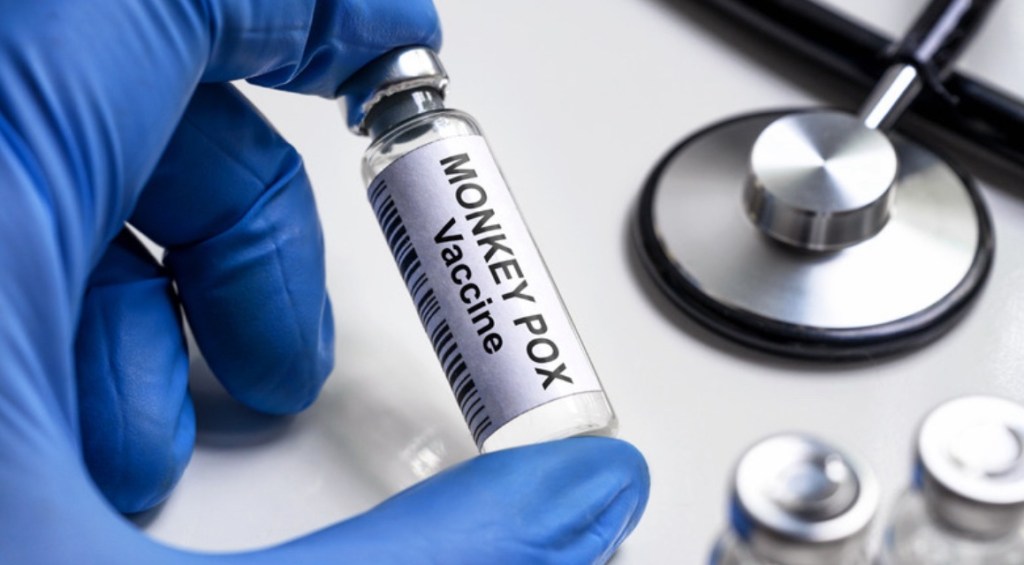
Vice-Chancellor of The University of the West Indies (The UWI), Professor Sir Hilary Beckles has issued a statement on the mpox.
In an August 15 press release, Professor Beckles said:
“The University of the West Indies (The UWI) has noted the declaration by the World Health Organization (WHO) on August 14, 2024 of mpox as a Health Emergency of International Concern (HEIC).”

“As the leading university in the Caribbean, The UWI commits to dedicate its considerable research expertise for the public good working with regional partners to help face this challenge. The UWI acquired cutting edge virus sequencing technologies during the COVID-19 pandemic which can now be redeployed against mpox to provide strong early detection mechanisms,” the press release stated.
“We currently have the capabilities in our laboratories to make rapid and accurate diagnosis of mpox and will work closely with regional Ministries of Health, the Caribbean Public Health Authority (CARPHA), and the Pan American Health Organization (PAHO) to respond to any introduction of the virus in the region,” the press release further stated.

The World Health Organization said Mpox (monkeypox) is a viral illness caused by the monkeypox virus, a species of the genus Orthopoxvirus. Two different clades exist: clade I and clade II.
“Common symptoms of mpox are a skin rash or mucosal lesions which can last 2–4 weeks accompanied by fever, headache, muscle aches, back pain, low energy, and swollen lymph nodes,” the WHO said.
“Mpox can be transmitted to humans through physical contact with someone who is infectious, with contaminated materials, or with infected animals. Laboratory confirmation of mpox is done by testing skin lesion material by PCR,” the WHO said.


 One News SVG