

By Kadijah O’Neil. Updated 11:11 a.m., Friday, September 6, 2024, Atlantic Standard Time (GMT-4).
Ms. O’Neil is the winner of the inaugural One News SVG Youth Journalism Challenge. This is her winning story which was complied during a short window of time for data gathering.
Citrus Greening, also called yellow shoot disease, has affected hundreds of citrus plants across St. Vincent and the Grenadines, impacting income for local farmers, and leaving consumers to search for alternative sources.
Farmers, scientists, and people in the food and beverage sectors have all been left scrambling for ideas on how to respond to the disease that has been affecting citrus plants in St. Vincent and the Grenadines, since 2007. According to Mr. Danowa Jackson, the Caribbean Agriculture Research and Development Institute’s – CARDI. Focal Point in St. Vincent and the Grenadines, the disease, was first discovered in China in the 1900s.
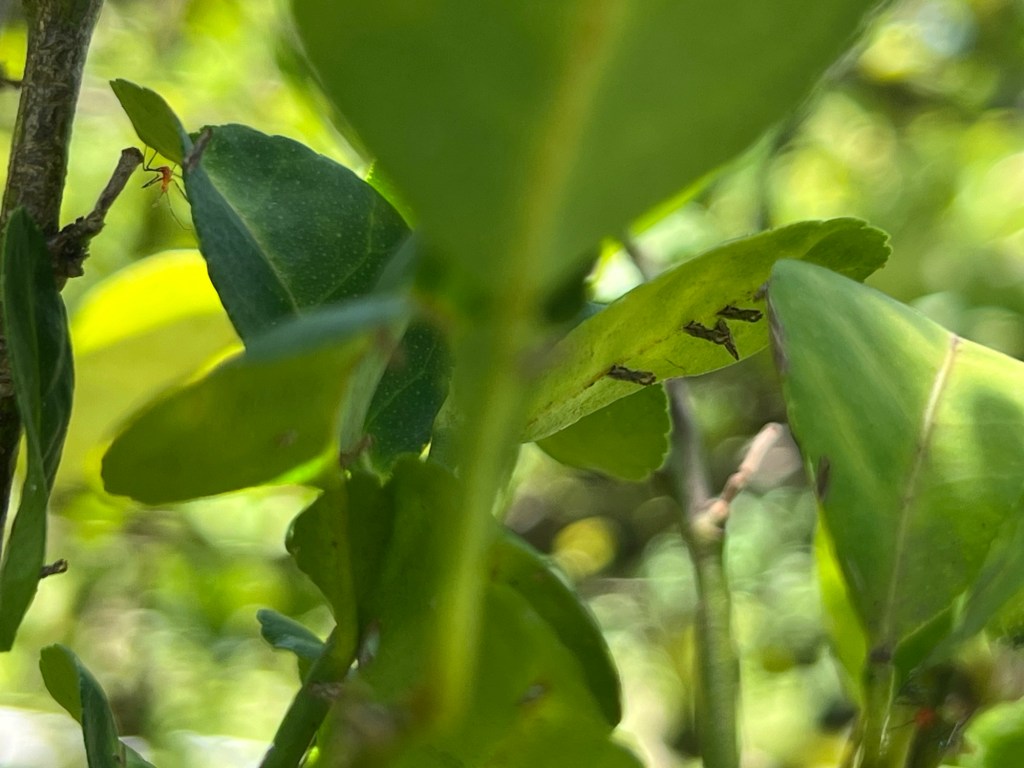
Jackson said the disease is transported by an insect vector called the Asian Citrus Psyllids. He said it enters plants when the Asian Citrus Psyllids suck the sap from the plant, passing the bacterium into it. This bacterium disturbs the flow of nutrients in the plant, causing it to die and not bear fruit. It is believed to have arrived here as a result of inter Caribbean trade.

There are different ways the disease can be controlled and prevented. Biological control is one of them. For example, an infected tree can be pruned and then sprayed with pesticides until the disease is gone. Secondly, the plant can undergo chemotherapy. The form of biological control that was used in St. Vincent and the Grenadines was releasing another vector to remove the disease with the hope it would lessen the cases of Citrus Greening. The name of the vector released and used as biological control for the disease is Tamarixia Radiata. Mr. Jackson said.
Mr. Jackson also noted that colder areas will not suffer much from this disease as the Asian Citrus Psyllids prefer drier places to inhabit. He also disclosed that this disease has damaged the global trade of citrus, and scientists have been trying to find ways to combat this disease.
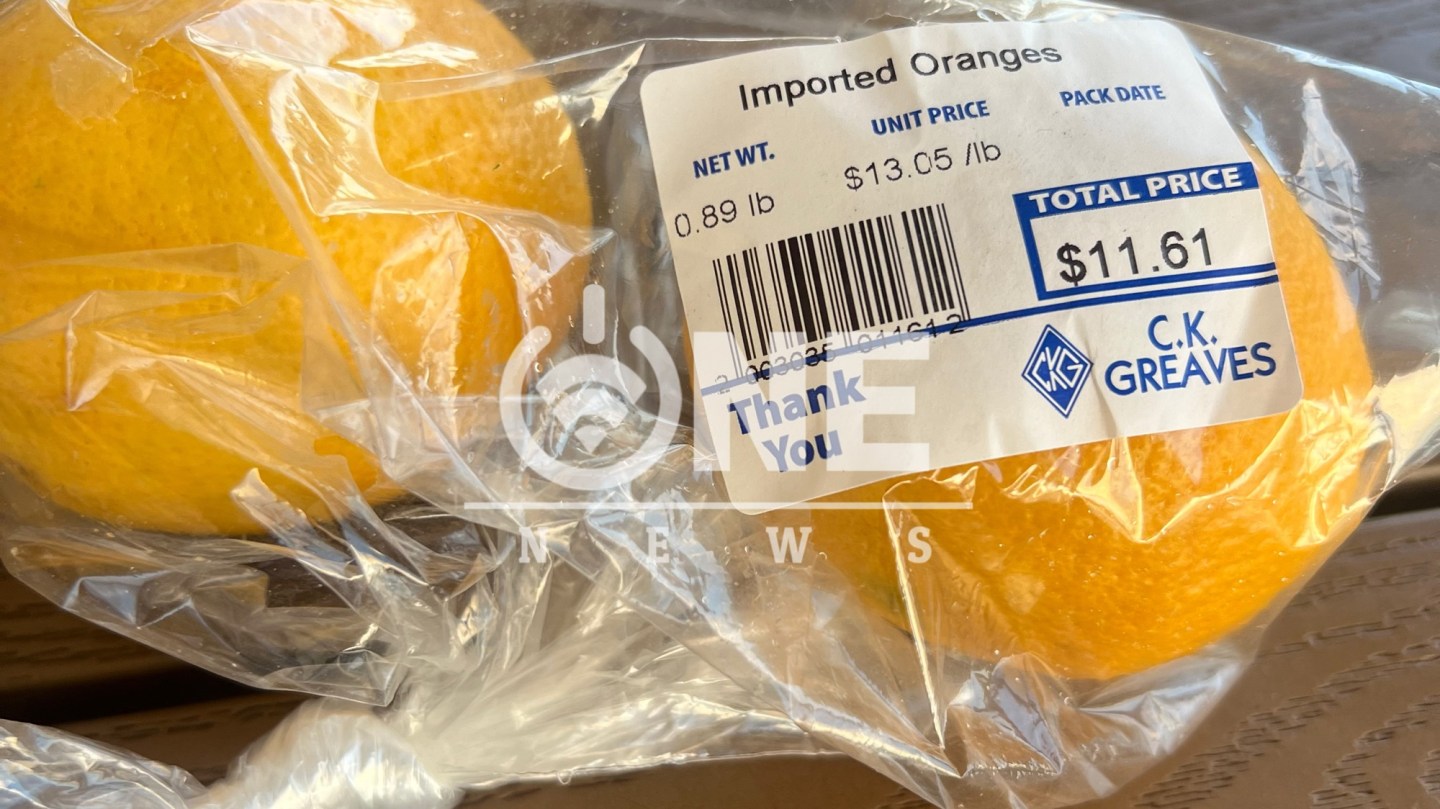
The consumers of citrus fruits face their own problems because of this Citrus Greening sweeping the country. In an interview, some said finding citrus fruits in the markets has become much harder and almost a rarity, others said when they do find citrus fruits in the market, they are very expensive, in small amounts and often of poor quality. People who have their own citrus trees said they no longer bear as much as they did before, while others say their trees are now fruitless.

According to Dr. Rafique Bailey, the Senior Agricultural Officerfor Research and Development in the Ministry of Agriculture, the disease is an issue in St. Vincent and the Grenadines as numerous acreages of citrus plants have been lost over the years,due to this disease. He also disclosed that all citrus nurseries had to be destroyed because the disease had spread in them. He said completely enclosed greenhouses had to be built to start over to repopulate the island’s citrus plants, to prevent the vector from infecting the plants. New citrus seeds had to be brought into St. Vincent and the Grenadines, to replace the infected trees.
The Ministry of Agriculture has a chemical spraying program with the farmers, where citrus fields are sprayed to help control the disease. They also train the farmers on how to manage the disease and distribute new citrus seeds to planters, which should come to bear in the next two years. This will help to increase the availability of citrus fruits in adequate supply in the country, in the future.

This bacterium from the insect vector, Asian Citrus Psyllids, as stated before thrives in very dry temperatures and has been in St. Vincent and the grenadines since 2007. In recent years, the country has seen the effects of climate change by having longer dry periods and droughts. All this caused the disease to spread more rapidly as these climate related changes allowed it to thrive. This all ties together with the impact reduction phase of the sustainable development goal 13, which is “take action to combat climate change and its impact”. It is important that citizens are educated on mitigating climate change to avoid these severe impacts.
Despite the challenges encountered by farmers and citizens due to the citrus greening disease, there is still hope for future recovery of the citrus industry. The best ways to manage and prevent citrus greening are by keeping your citrus plants in a properly enclosed greenhouse and by constantly pruning and spraying chemical pesticides on the infected citrus plant.

 One News SVG