

By Demion McTair
Demion McTair is a lecturer, journalist, media owner, and development writer based in St. Vincent and the Grenadines. His work has gained recognition, appearing on the syllabus of The Asian Institute at the Munk School of Global Affairs, University of Toronto, as well as in various local, regional, and international newspapers. Mr. McTair is the founder of One News SVG and also contributes as a freelance writer working along with the Caribbean Correspondent of The Guardian newspaper in the United Kingdom.
Despite its small land size, Saint Vincent and the Grenadines (SVG) has numerous opportunities to enhance the standard of living for its residents through innovation and entrepreneurship. This article will explore several promising initiatives.

1. Compressed Natural Gas (CNG) Research:
Have you ever wondered where all the wet waste from your kitchen, as well as from large hotels, schools, hospitals, and other buildings, ends up? What if I told you that it is possible to convert this wet waste into fuel? This concept is not merely theoretical; it is already being implemented successfully in various parts of the world. For instance, in Madhya Pradesh, India—home to Indoor, the cleanest city in the country—the public transportation system operates on Compressed Natural Gas (CNG). The city’s buses and small vehicles known as Tuk Tuks are powered by CNG, showcasing a sustainable solution to waste management while providing an eco-friendly alternative for transportation.
Compressed Natural Gas (CNG) is significantly cheaper than petrol and is considered to be more environmentally friendly. It does not contribute to air pollution and has the potential to serve as a sustainable fuel source for various modes of transportation, including buses, shuttle services, and even small boats.
Although India and St. Vincent differ greatly in size, economic scale, and other factors, there is an opportunity for local research into our potential for CNG production. We need not look far within the Caribbean; Jamaica has already begun experimenting with CNG by introducing CNG-powered buses into its transportation system.
See: Jamaica Transportation to achieve significant savings with CNG
Having visited India in February of last year, where I toured the country’s largest CNG plant and spoke with bus drivers about the economic benefits of using CNG, I am convinced that exploring this option could be beneficial for us here.
Of course, there will have to be some enhancing of the Solid Waste Management Unit of the Central Water and Sewage Authority (CWSA). This enhancement will require not only robust public policy and technocratic support but also a shift in behaviour regarding waste separation at the household level. Fortunately, India has conducted extensive research on this topic, providing us with valuable insights and strategies that we can leverage. I am fully confident that we can reach out to them for guidance.

2 A Pharmacology Institute to unlock the medicinal potential of SVG’s biodiversity
It is widely recognised that much of St. Vincent and the Grenadines’ rich biodiversity remains underutilised in terms of its medicinal potential. Establishing a pharmacology institute could be a key step toward harnessing the medicinal value inherent in our diverse ecosystems.
Such an institute would benefit from existing secondary research, providing a solid foundation upon which to build further investigations. The need for this initiative is underscored by the Caribbean region’s ongoing struggle with lifestyle-related diseases and chronic non-communicable diseases, which require effective management strategies. Collaboration among academic institutions, governments, civil society, and families is essential to address these pressing health challenges. We need more research now. The ‘Education Revolution’ has bequeathed us brilliant and well-trained chemists, pharmacologists, and scientists who will gladly lead this effort.
Additionally, medicinal research is not a new endeavor for us. Currently, several licensed companies are making significant investments in the research and production of products derived from medicinal marijuana. This growing sector highlights the potential for further exploration into other medicinal plants found within our unique biodiversity.
3. Enhancing Coconut oil production
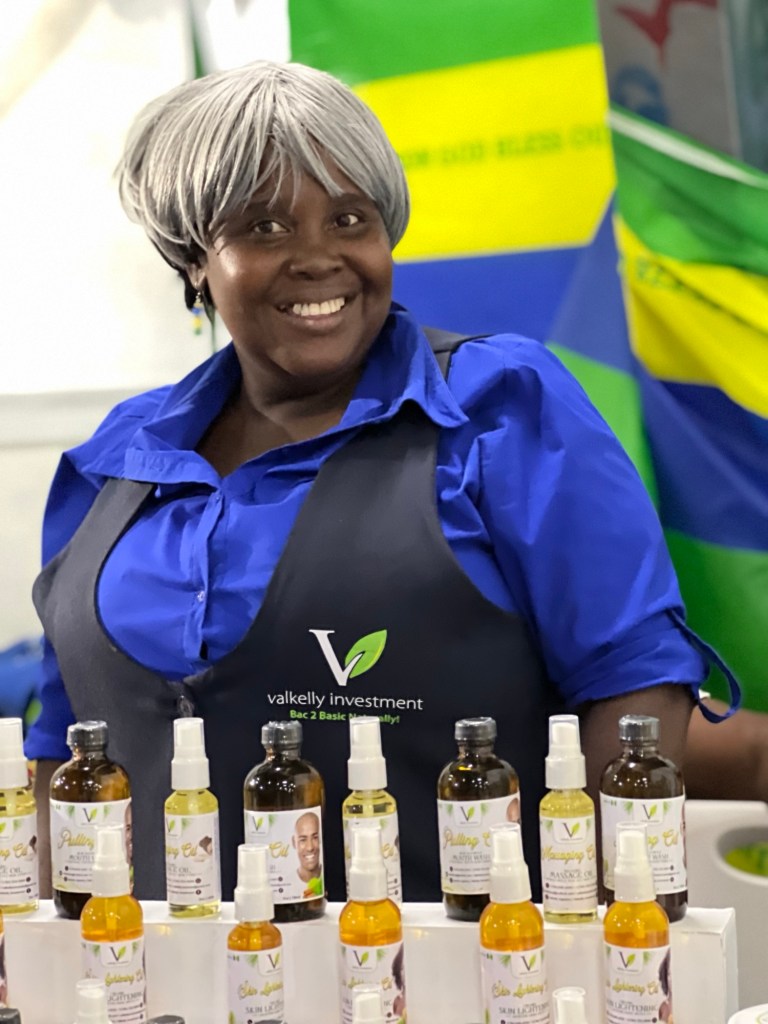
With support from the Caribbean Agricultural Research Institute (CARDI) and Canada, Guyana has been successfully producing high-quality coconut oil. St. Vincent, once known as the coconut capital of the Commonwealth, has been enhancing its coconut oil industry, primarily driven by local home-based producers. It is now time for the country to elevate its coconut oil production to a new level by establishing clear standards for both consumption and production aimed at external markets. Additionally, we can provide funding for machinery and equipment to assist producers in improving their output for both local and international markets.
The current state of the industry requires thorough research to assess its existing value and explore its potential for growth.
I wrote about this issue before. Read here.
4. Enhancing Energy Efficiency in Buildings
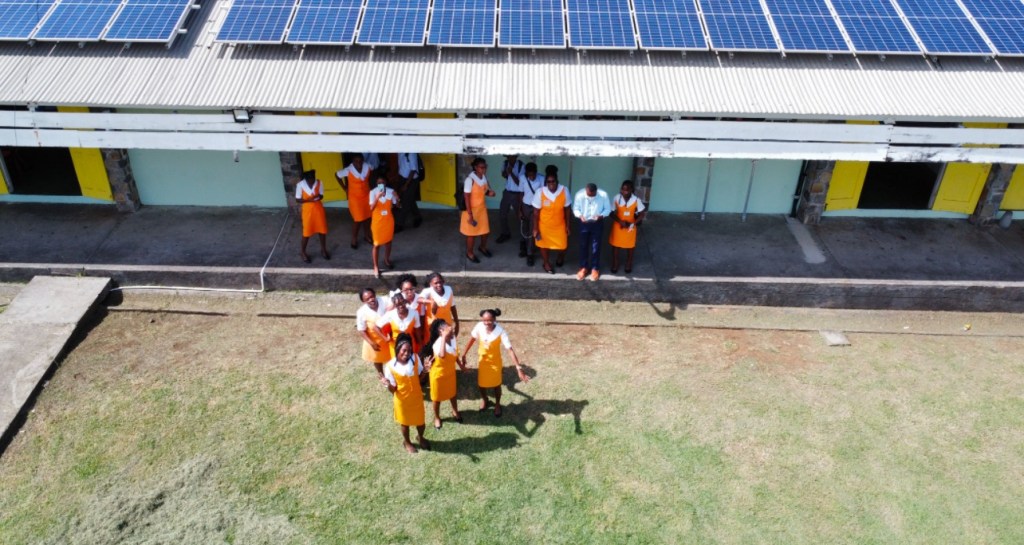
St. Vincent and the Grenadines has conducted studies on solar and wind energy production. While fuel and hydroelectric power remain the two primary sources of energy for the country, solar energy remains an underutilized resource. Many residents have begun to rely more heavily on solar technology by installing solar water heaters and solar-powered lights. However, there is significant potential for a broader initiative to promote energy-efficient buildings that can reduce fuel consumption and increase the capacity for solar power generation.
Although there are existing incentives for adopting renewable energy, a more vigorous approach is necessary to ensure a safe and effective implementation of solar energy alongside fossil fuels.
The government should consider mandating that all permanent public buildings with suitable roofs be equipped with energy-efficient designs and photovoltaic systems. This policy could significantly enhance the country’s renewable energy landscape while contributing to sustainability goals as a Small Island Developing State.
I wrote about this issue before. Click here to read.
5 Introducing a National Prime Ministerial Innovation Challenge
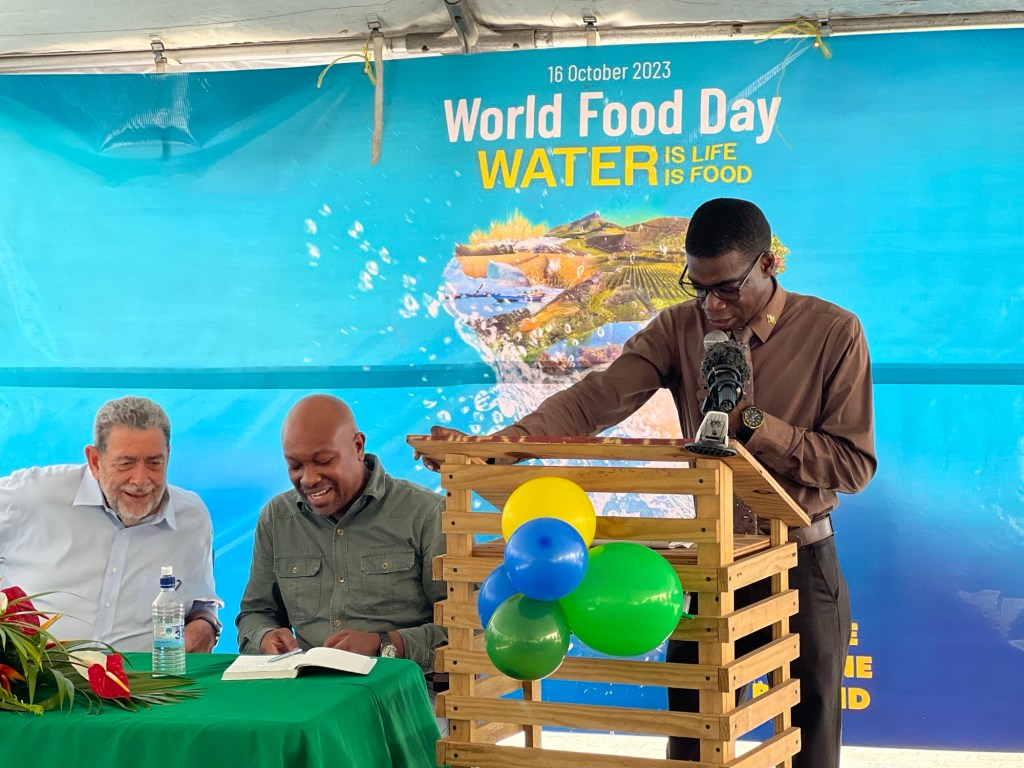
Starting this year, either the Office of the Prime Minister or the Governor General can launch an annual national entrepreneurial challenge that offers a gold medal and a cash prize of US$10,000. I have previously discussed this initiative; you can read more about it here.
Conclusion
So, for 2025, St. Vincent and the Grenadines (SVG) can look into CNG research, pharmacological research, expansion in coconut oil production, more energy-efficient buildings, and a national innovation award.

The country has the opportunity to collaborate with existing research institutes, companies, and organizations to implement these innovative suggestions in various ways. However, one thing is certain: if we find ourselves discussing potential actions five years from now without having made progress, we will have squandered five valuable years of research and development. It is imperative that we take action now and initiate this process.
 One News SVG