


By Admin. Updated 7:12 p.m., Wednesday, October 15, 2025, Atlantic Standard Time (GMT-4).
The Vincentian public is urged to protect themselves against leptospirosis, following the recording of 21 cases and five deaths from the vector-borne illness this year.
In a press release dated 15 October, the Ministry of Health, Wellness and the Environment advised the public to take all necessary precautionary measures to safeguard themselves and their families against leptospirosis across St. Vincent and the Grenadines.
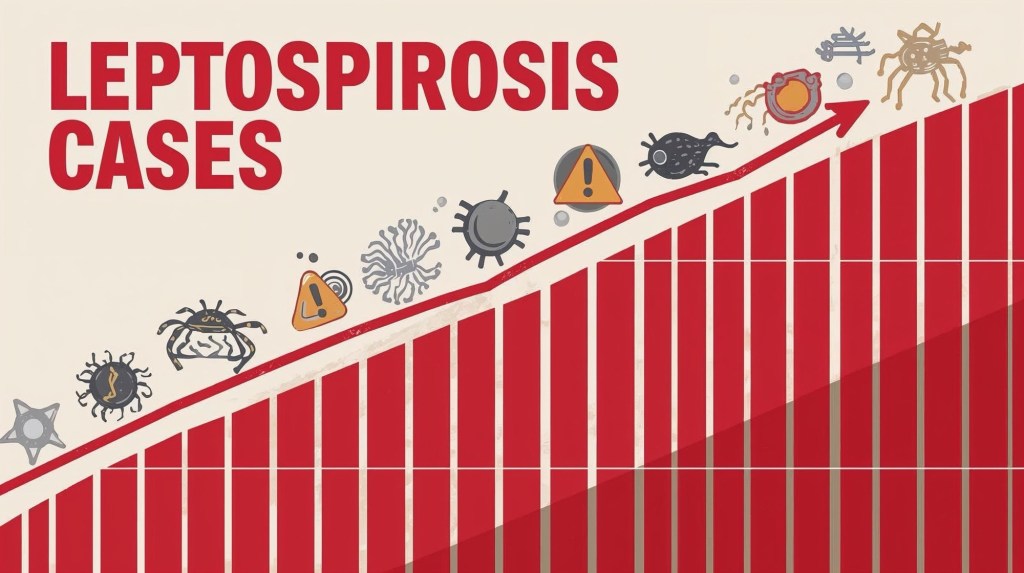
The Ministry reported an increase in the total number of confirmed leptospirosis cases between January and September 2025. For the period from January 2024 to 10 October 2024, nine cases were recorded. During the same period in 2025, St. Vincent and the Grenadines has recorded twenty-one cases and five deaths from confirmed leptospirosis.
The Ministry’s press release did not stipulate whether the cases or deaths were localised in one area or not.
Leptospirosis is a bacterial disease that affects both humans and animals, including rats, dogs, pigs, and iguanas, among others. The bacteria are primarily spread through the urine of infected animals, which can contaminate food, water, and soil. They can survive for weeks to months in moist environments.
Infection can occur through contact with contaminated water, food, or soil exposed to the urine or body fluids of infected animals. Other routes of infection include direct contact with the body fluids of infected animals, consuming unwashed fruits or vegetables, or drinking water contaminated with urine from infected animals.
The Ministry states that symptoms of leptospirosis may include fever, headache, chills, muscle or body aches, nausea or vomiting, diarrhoea, stomach pain, and yellowing of the skin and eyes (jaundice). Anyone experiencing these symptoms is strongly encouraged to seek medical attention immediately.

To reduce the risk of complications or death, the Ministry urges the public to wash all fruits and vegetables thoroughly before consumption, practise good food-handling techniques—especially when preparing meat, fruits, and vegetables—and wear protective clothing, such as boots and gloves, when working outdoors or handling animals.
Additional measures include keeping food and drinking water away from areas where rodents or animals may urinate, storing food properly, and disposing of garbage promptly to discourage rodent activity.
Individuals at higher risk—such as farmers, veterinarians, animal handlers, butchers, and sanitation or sewage workers—should take extra precautions. These include washing hands frequently with soap and running water, using appropriate personal protective equipment (PPE) including gloves, boots, and eye protection, and cleaning and disinfecting surfaces and equipment regularly.
Other recommended actions include vaccinating pets against leptospirosis, isolating any sick animals, and implementing measures to control rodents in and around work areas.
Vincentians are urged to remain vigilant, particularly during this rainy season, and to take preventive actions to protect themselves, their families, and their communities.
The Ministry of Health, Wellness and the Environment will continue to monitor the situation closely and provide updates and guidance as more information becomes available.
END


 One News SVG