

By Pharez McTair. Updated 3:35 p.m., Thursday, October 30, 2025, Atlantic Standard Time (GMT-4).
With financial support from the Government of Canada, seamoss cultivators in the Grenadines have managed to recover after Hurricane Beryl devastated farms in 2024.
The revival of the local seamoss industry has been further strengthened by the establishment of Grenadines SeaMoss Alchemy, a new storefront in Bequia supported by the Canada Fund for Local Initiatives and the SeaMoss360 Project.

This initiative aims to enhance the economic competitiveness of seamoss producers in St. Vincent and the Grenadines by focusing on innovation, quality assurance, and value-added manufacturing.
The new retail space, located at Gingerbread Grounds in Bequia, will offer a variety of locally produced seamoss goods, including Island Calm Wellness Tea, Sorrel Spice & Seamoss Tea, and SeaMoss Vitachick, a natural feed supplement for poultry. These products combine traditional Caribbean ingredients with modern branding and packaging designed to meet international retail standards.
Supported by Canadian funding and technical collaboration, the SeaMoss360 programme concentrates on building resilience among small producers through compliance training, product development workshops, and infrastructure support.
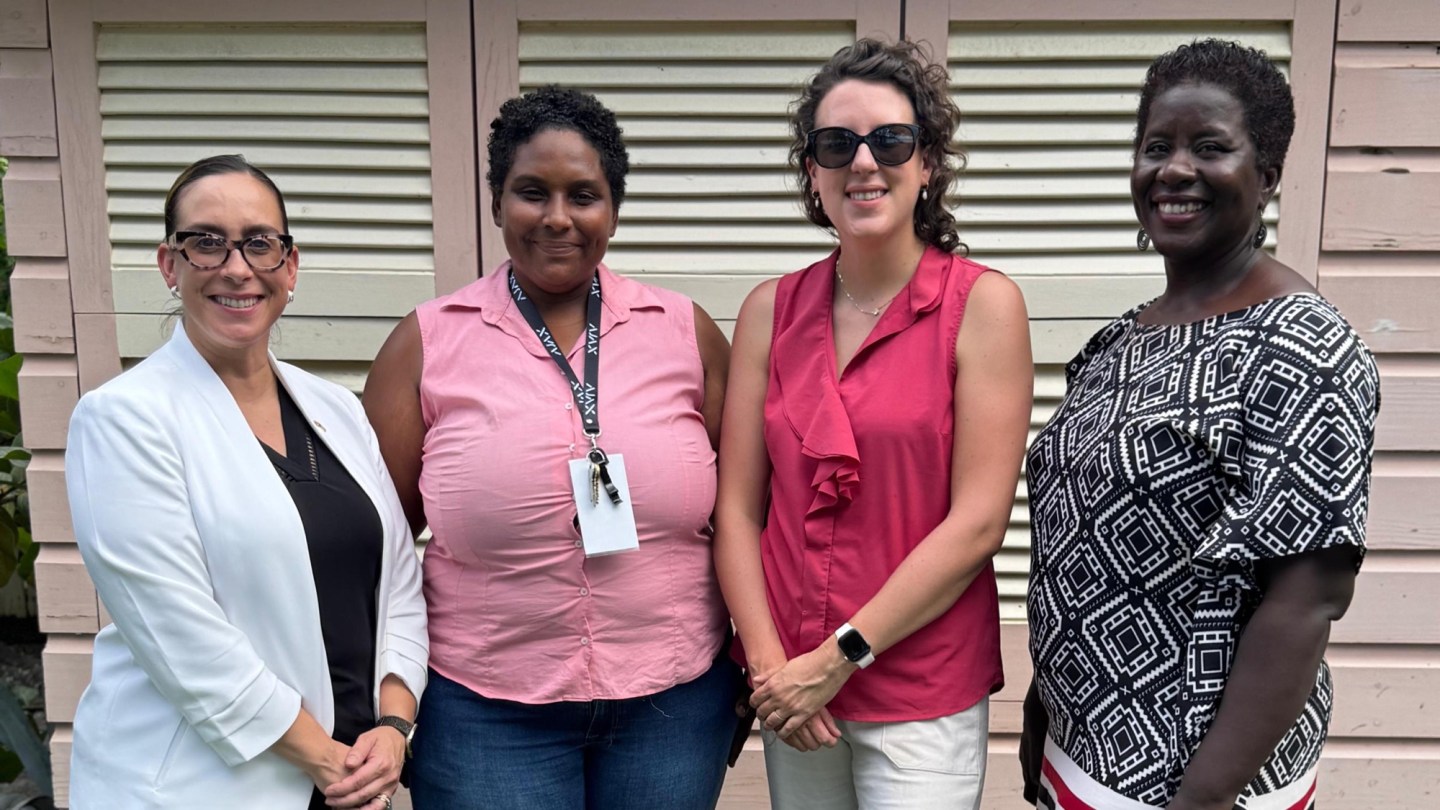
Brenda Wills, Canada’s High Commissioner to Barbados and the OECS, described the partnership as “a model for inclusive economic growth in the region”.

SeaMoss Alchemy positions St. Vincent and the Grenadines as a participant in the growing blue economy, one that leverages ocean resources for economic development whilst preserving coastal ecosystems.
For local producers such as Marslyn Lewis, the mission remains deeply personal. “Every product on our shelves tells a story of resilience, creativity, and community,” she said.
Seamoss, a nutrient-rich algae often referred to as “Caribbean gold”, has experienced surging demand in recent years from wellness markets in North America, Europe, and Asia. Analysts project the global seaweed market could surpass $30 billion by 2030, driven by trends towards plant-based nutrition and natural cosmetics.

END
 One News SVG