


By Val Matthias. Updated 7:22 a.m., Wednesday, November 12, 2025, Atlantic Standard Time (GMT-4).
The United Kingdom has suspended intelligence sharing with the United States in response to a series of controversial U.S. military strikes on suspected narcotics trafficking vessels in Caribbean waters, citing legal and ethical concerns.
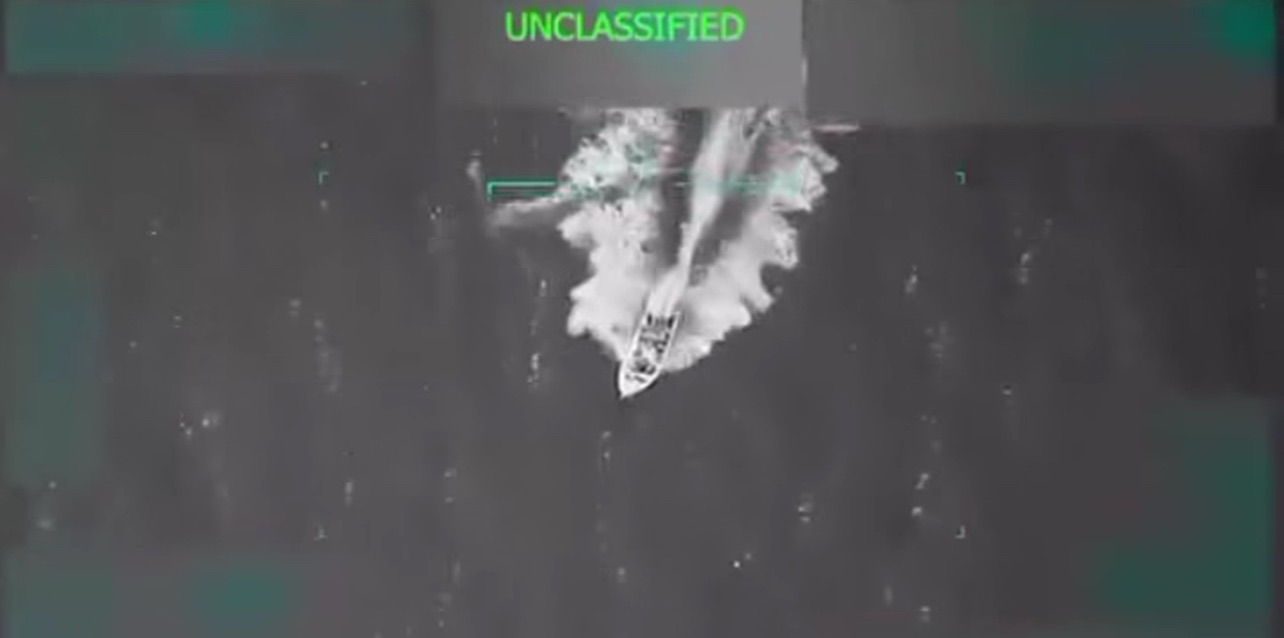
According to international media reports, British officials have raised alarms over the legality of at least 14 U.S. strikes conducted since September 2025, primarily near Venezuelan territorial waters. These operations, which have resulted in more than 70 fatalities, were reportedly carried out under the U.S. Department of Defense’s expanded counter-narcotics authority targeting designated narcoterrorist organizations.
The UK, which has historically collaborated with the U.S. on maritime interdiction efforts in the Caribbean, has now distanced itself from the campaign. Officials in London are said to be concerned that the strikes may contravene international law, particularly in cases where lethal force was used without clear evidence of imminent threat or due process.

A senior British security source, speaking on condition of anonymity, told international outlets that the UK “cannot be complicit in actions that may violate international norms or expose our personnel to legal liability.” The UK’s Caribbean territories, including the British Virgin Islands and Montserrat, have long served as strategic nodes in regional security cooperation.
The suspension marks a rare public divergence between the two allies on matters of security and foreign policy. It also underscores growing unease among Western partners about the escalation of U.S. military operations in the region, particularly in proximity to politically sensitive zones such as Venezuela. French officials have also reportedly expressed concern, though they have not formally altered their intelligence posture.
The U.S. Department of Defense has defended the strikes as necessary to disrupt transnational criminal networks and protect regional stability. However, human rights advocates and legal scholars have questioned the proportionality and transparency of the operations.
As of press time, neither the UK Foreign Office nor the U.S. Embassy in London had issued formal statements on the intelligence freeze.
This development comes amid broader geopolitical tensions in the Caribbean basin, where issues of sovereignty, maritime security, and transnational crime continue to test diplomatic alliances.
END


 One News SVG