

The views expressed herein are solely those of the writer.
By Adrian Odle.
CARICOM was created because the Caribbean already learned one painful lesson. When a regional project loses trust, it does not need a formal funeral. It just starts falling apart in public, one leader at a time, until the institution becomes a shell. That is exactly the Federation story, and it is the warning CARICOM should be hearing now.
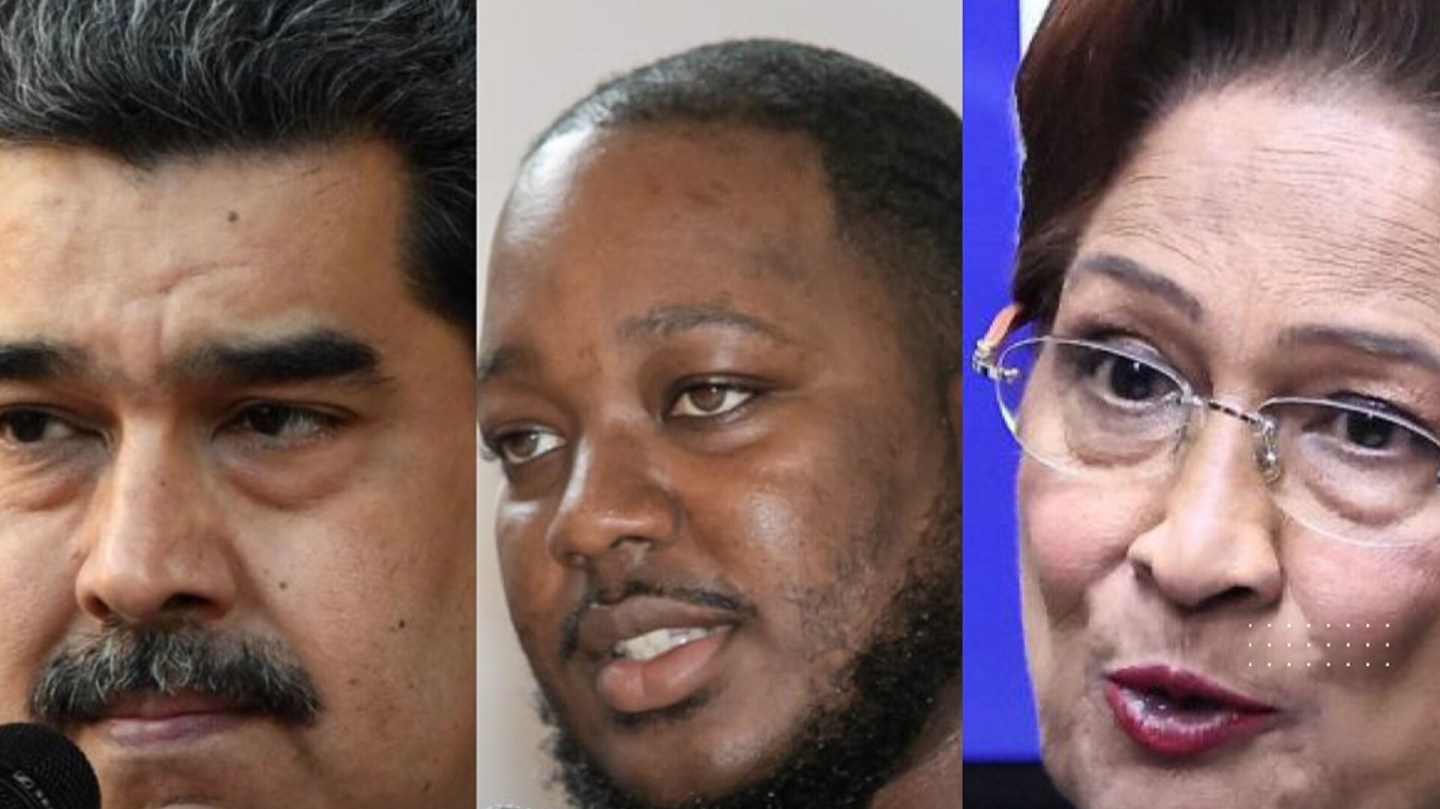
Prime Minister Kamla Persad Bissessar has drawn a hard line against CARICOM by publicly saying the organisation is not a reliable partner and by distancing Trinidad and Tobago from the CARICOM position on U.S. entry restrictions affecting Antigua and Barbuda and Dominica. This is not simple “policy disagreement,” this is a major member signalling that CARICOM’s collective voice, in her opinion, is weak.
Add Venezuela to the already muddied picture and danger becomes clear. The Caribbean is unfortuantely split on how to speak about Venezuela’s geopolitical threats. When leaders start accusing CARICOM of being too soft on Maduro, or when leaders imply that regional statements can invite punishment, the region is no longer acting as a bloc but instead acting like separate islands trying to avoid becoming a target in a game of “Battleships”. That is how outside powers win without even trying. They do not need to “invade unity.” They just need to let our divisions do the work.

We must not be blindsided by the divisive tactics of the U.S. The Trump-style America First politics thrives exceedingly well on division: dealing with small states one by one, not as a collective. If CARICOM speaks with one voice, Washington has no choice but to listen. If CARICOM circums to iyts fractures and breaks, Washington can puppeteer its way across the Caribbean while we argue among ourselves. That is the real threat.
This is why people are starting to say Trinidad is behaving like a puppet to the United States. Whether you agree with that wording or not, the perception is becoming real. When a government rushes to separate itself from CARICOM positions that might irritate big, bad, Washington, it sends a signal to the region and to Washington at the same time. The signal is simple: pressure works, and unity is negotiable.
The Federation collapsed the moment the biggest members stopped believing in “we.” Jamaica’s exit in 1961 was not just a referendum result. It was the psychological breaking point. Once Jamaica moved, the idea of one West Indies future stopped feeling inevitable and started feeling foolish. Then the rest of the structure crumbled because the confidence was gone. That is what regional collapse looks like in the Caribbean. It starts as politics, then becomes inevitability.
CARICOM can follow the same path, not necessarily by legal withdrawal, but by functional collapse. Functional collapse is when leaders stop defending regional positions, regional statements stop carrying weight, regional negotiations become mere talk, and external powers learn that they can shape the Caribbean by working on the weakest links (I’m looking in the South) and flattering the puppeteer.

History is the reason Caribbean people do not take U.S. “interest” lightly. The United States has repeatedly intervened in the Caribbean and the wider Caribbean Basin when it deemed necessary with its big boot. In 1898, war reshaped Cuba’s future and placed Puerto Rico under U.S. control. In the early 1900s, Washington formalised the idea that it could step into Caribbean and Latin American affairs to protect its interests. From 1915 to 1934, Haiti was under U.S. occupation. In 1961, there was the Bay of Pigs attempt against Cuba. In 1965, U.S. forces intervened in the Dominican Republic. In 1983, the U.S. invaded Grenada. The pattern of “when Washington decides” is ever-recurring.
That is why this moment matters. If Venezuela becomes the wedge issue, and if U.S. pressure becomes the lever, the Caribbean could slide into a new era where CARICOM becomes irrelevant and foreign policy is dictated by fear of punishment or hope of reward. That is not sovereignty. That is obedience dressed up as “national interest.” , The U.S. will have our region by the leash and neuter us at will.
CARICOM needs serious unity. Unity that can survive disagreements without members running to publicly disown the region’s voice, PM Kamla Bissessar. Unity that protects small states from being picked off one by one. Because the Caribbean has already lived through the Federation collapse, and we should be smart enough to recognise the early symptoms when they show up again and protect oursleves from this deadly virus.
-END-
Opinion pieces can be sent to us at onenewsstvincent@gmail.com.


 One News SVG