


The views expressed herein are solely those of the writer and do not necessarily represent the views of One News SVG.
By Candy Fraser
Seeing Untold History on the Leeward Side
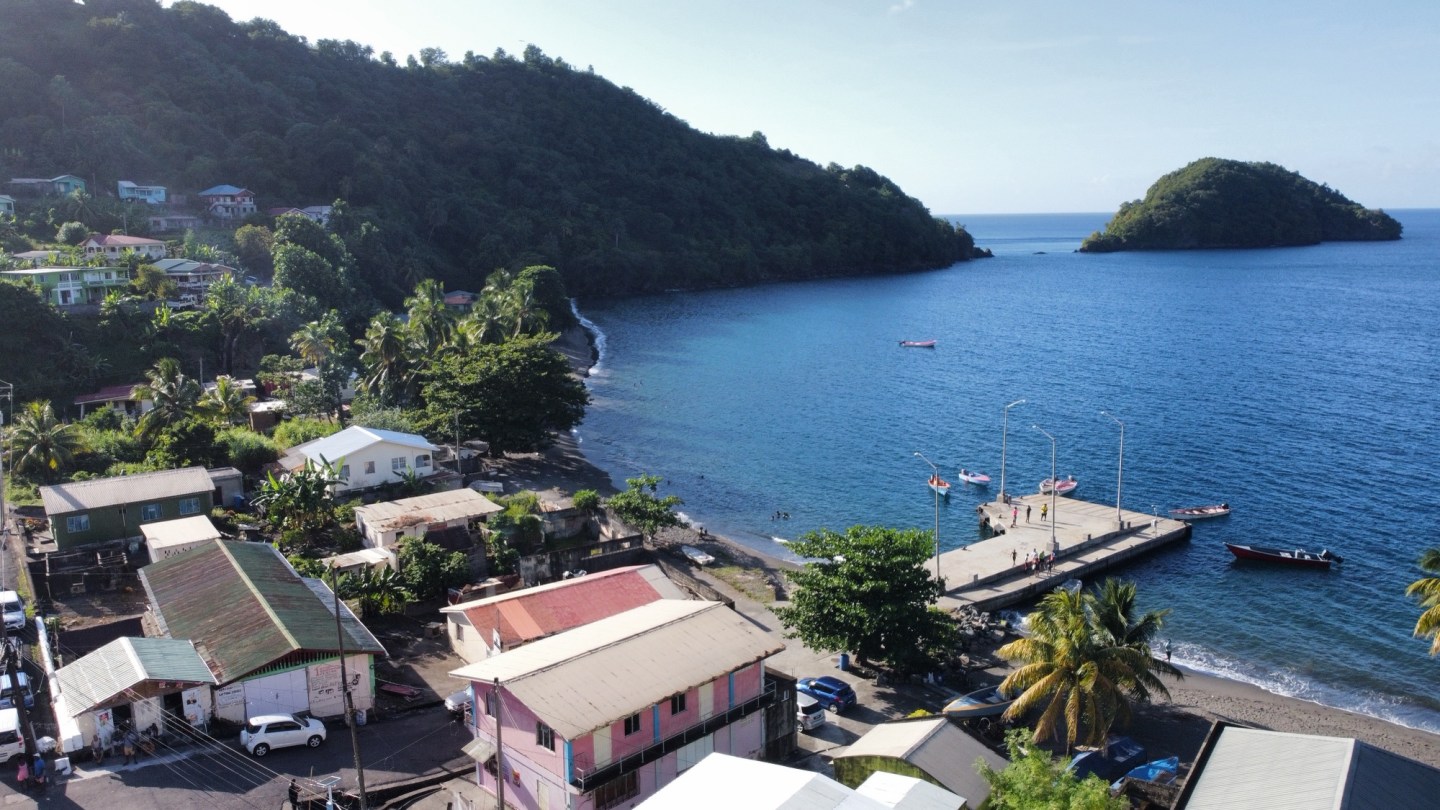
Earlier this year, I had the opportunity to travel across different parts of St. Vincent for a short-term project with the Cultural Department here in SVG highlighting heritage month. One area that really stayed with me was the leeward side of the island. While spending time in those communities, notably RoseBank, I met farmers who casually shared stories about artifacts they often uncover while tending their land, items found during digging, planting, or clearing soil.
What struck me most was how common this seemed, yet how quietly it happens. Many of these artifacts are kept at home or simply talked about, largely because there isn’t a proper place for them to go. We often hear about our indigenous history in relation to other parts of the island, but these experiences reminded me that history doesn’t belong to one side alone.
I believe the leeward side could benefit from a small, community-based heritage or artifacts museum. A place where residents can safely bring in what they find, possibly receive a stipend, have the artifacts cleaned and preserved, and know they are being protected properly. Beyond preservation, such a space could also bring activity into the area, especially if visitors and tour groups begin to pass through. Local vendors could prepare for those days, sell their goods, and earn an income.
Sometimes development doesn’t have to start big. Sometimes it starts by paying closer attention to what people already have and helping them protect and share it.
Why Solar Power Makes Sense for Leeward Communities

Another thing I became very aware of, especially during my short time working at Flow, is that many households on the leeward side still do not have consistent access to electricity. For communities that rely heavily on farming, this affects more than just lighting; it impacts crop storage, irrigation support, communication, and access to information.
Given that the leeward side is also a high-risk area for volcanic activity, reliable power sources become even more important. We’ve all seen how quickly communication and access to essential services can be disrupted during natural events. These are communities that need to remain connected to the “outside world,” particularly in times of emergency.
This is why I believe household-level solar power solutions could make a real difference. Solar energy can help reduce electricity costs, provide reliable power where grid access is limited, and support basic farming operations. It also offers a level of independence, allowing families to generate their own energy without relying entirely on infrastructure that may fail during disasters.
Beyond that, solar power supports sustainability, lowers long-term costs, and creates opportunities for training and small business development in installation and maintenance. For farming communities, it’s not just about energy, it’s about resilience, stability, and growth.
Sometimes the most impactful ideas are the ones that meet people exactly where they are.
About the writer – Candy M. Fraser
My name is Candy Fraser, and I currently serve as the Marketing and Public Relations Officer at a notable establishment in St. Vincent and the Grenadines. I am also a marketing major at the University of the West Indies, with a strong passion for marketing, storytelling, and national development.
I spent approximately seven years working in St. Lucia with a tourism-based television company, where I held leadership roles in sales, marketing, and on-camera hosting. One of the key segments I managed, Hidden Gems, focused on highlighting both micro and major accommodation providers across the island. This experience exposed me to invaluable insights into tourism development, community engagement, and destination marketing, while allowing me to work closely with notable individuals and grassroots operators within local communities.
My work also extended to other tourism-focused initiatives, including Taste of the Island, a segment dedicated to showcasing local cuisine, restaurants, and culinary culture. These experiences strengthened my appreciation for how tourism, culture, and community can work together to support sustainable growth.
As a Vincentian, my love for St. Vincent and the Grenadines runs deep. I am committed to seeing my home country grow and evolve alongside other Caribbean nations. I actively involve myself in projects that allow me to learn more about our people and our potential, and I openly share ideas and perspectives rooted in my experiences, with the hope of contributing meaningfully to the country’s future development.
END


 One News SVG