

By Val Matthias. Updated 10:13 p.m., Monday, December 29, 2025, Atlantic Standard Time (GMT-4).
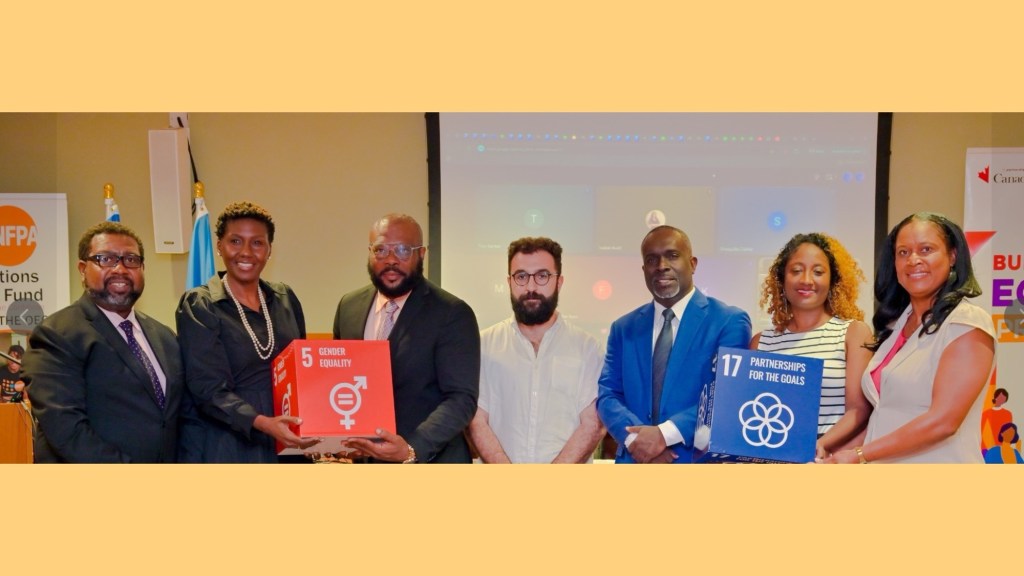
A Behaviour Change Workshop was held on December 18, 2025, at the National Insurance Services conference room in Kingstown, focusing on gender‑based violence, barriers to sexual and reproductive health care, rising pregnancy rates, and the social and economic stability of individuals.
The session was facilitated under the Build Back Equal project, a five‑year initiative funded by the Government of Canada through Global Affairs Canada and implemented by UN Women and UNFPA in partnership with governments and civil society across Dominica, Grenada, Saint Lucia, and Saint Vincent and the Grenadines. The project, which runs from 2022 to 2027 with a budget of CAD $10 million, seeks to advance women’s economic empowerment, gender equality, and reproductive rights by addressing barriers such as unpaid care work, limited access to health services, and skills development.
Speaking at the forum, Minister of Youth, Sports, Culture and Creative Industries, Hon. Kaschaka Cupid, said the government will create solutions to reduce unemployment and foster a health‑conscious population through sexual and reproductive health rights. He added that these measures are outlined in the New Democratic Party’s manifesto, with clear strategies to support individuals adjusting to a functional society.
Liaison officer for Barbados and the OECS, representing UNFPA, Ms. De‑Jane Gibbons, described the training as “a strategic step directly linked to our shared vision for a more resilient and equitable nation, a vision encapsulated and anchorage in the Build Back Equal project.”
The Build Back Equal programme has already trained more than 80 clinicians across the four territories in patient‑centeredcare and continues to support women and youth‑owned businesses, strengthen survivor‑centered health services, and integrate gender equality into national development strategies.
END
 One News SVG