

By S.Browne. Updated 3:52 p.m., Wednesday, January 14, 2026, Atlantic Standard Time (GMT-4).
The Central Water and Sewerage Authority (CWSA) said it is encouraging customers in St Vincent and the Grenadines (SVG) to prepare their home water storage plans as soon as possible, as the country recorded an approximate 50 per cent reduction in rainfall levels during the 2025 rainy season when compared to the previous four years.
The CWSA noted that rainfall levels in Saint Vincent and the Grenadines showed only slight fluctuations between 2020 and 2024, before experiencing a drastic decline in 2025.
Data from the SVG Meteorological Office indicate that total rainfall recorded was 1,455.3 millimetres in 2020, 1,296.7 millimetres in 2021, 1,442.8 millimetres in 2022, 1,386.1 millimetres in 2023 and 1,552.0 millimetres in 2024. However, in 2025, total rainfall plunged to just 687.1 millimetres, representing a significant reduction compared to previous years.

“With surface and ground water aquifers not fully replenished during the 2025 rainy season, it is forecasted that the island will be facing the upcoming dry season with limited water available, compared to previous years. This is especially crucial for communities supplied by the Montreal, Dalaway and Mamoon water sources, as based on our records, they are the first and most severely affected during periods of low rainfall and drought conditions,” the CWSA said.
The CWSA stated that as the country continues to grapple with the effects of climate change, and with the Caribbean Climate Outlook Forum’s (CARICOF) prediction of short-term drought conditions for SVG up to March and a long-term drought up to May 2026, it may be forced to adapt and change its normal operating protocols. These measures may include the rationing of water earlier and for longer periods, as well as the implementation of more stringent water conservation practices.
The Authority said it has activated its internal Emergency Management System, which includes the close monitoring of all water sources, continued work on leak detection and repairs, heightened public awareness efforts and the monitoring of media outlets for public concerns.

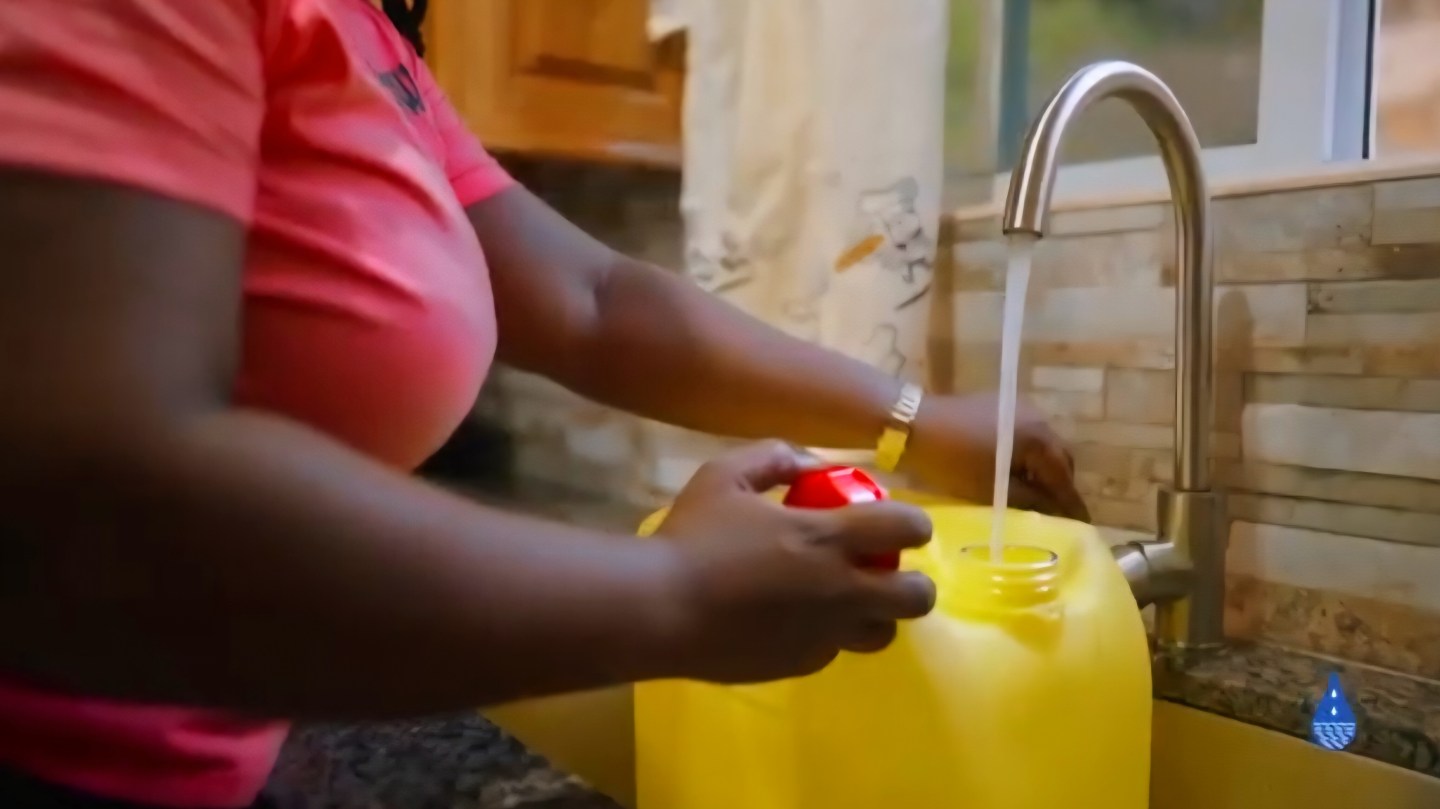
“Homeowners are further encouraged to invest in their home water storage systems to alleviate the impact of both planned and unplanned water disruptions. Kindly refer to the ‘Do-It-Yourself’ video tutorial, which describes the conversion of a plastic barrel into a water storage and distribution medium, shared on the CWSA/SWMU’s YouTube page,” the organisation said.
It was also noted that water storage tanks can be purchased from hardware stores throughout the country, with recommended sizes dependent on family and household needs. Currently, the suggested calculation for water storage is to allocate ten gallons per person per day.
The CWSA said it remains committed to monitoring the situation and continuing to provide the necessary information as the country navigates the upcoming dry season.
END



 One News SVG