

The views expressed herein are solely those of the writer.
By Jhanelle Peters.
How living conditions, community, and access to care influence confidence, dignity, and recovery.
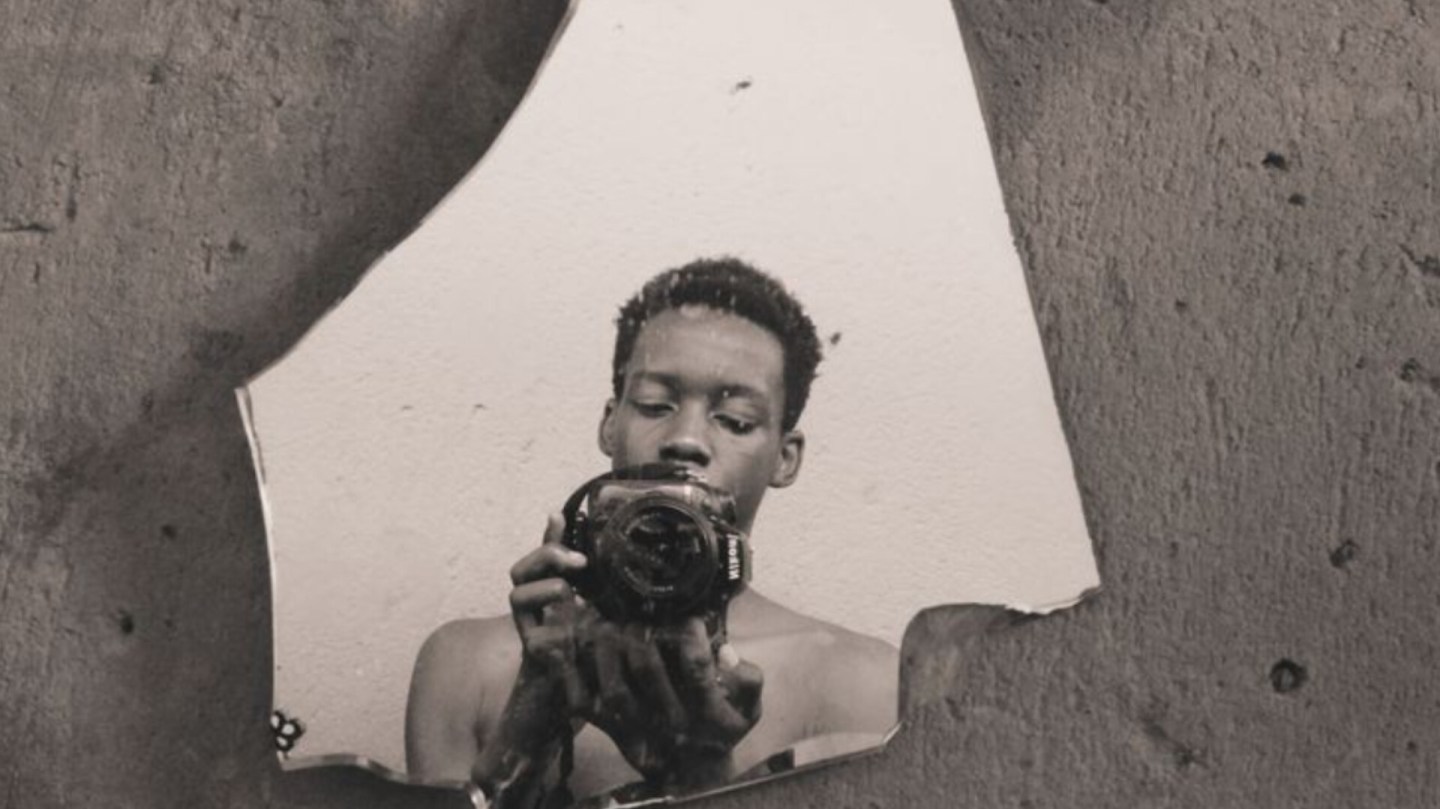
We all know the feeling of standing in front of a mirror in an outfit that just works. Maybe it’s a crisp new suit jacket, freshly styled hair, or simply that favourite shirt that always brings out your confidence. You look at your reflection, and you like what you see; something shifts inside. You stand taller, smile wider, and carry yourself differently.
But here’s the truth: what’s reflected to us isn’t always about clothes or hair. After
something as life-altering as a natural disaster, the loss of a job, the passing of a family member, or moments that feel like bad luck, the reflection can be much harder to face. Instead of seeing confidence and stability, you might see a damaged roof, a dwindling bank account, or a disrupted home. And just like it’s hard to feel good when the outfit doesn’t fit,
it’s nearly impossible to feel good when your world feels misaligned.
The Reflection Beyond the Mirror
In everyday life, mirrors reflect who we are. After any profound moment, the “mirror”becomes the environment around us. If your home is damaged, your income is unstable, or your neighbourhood feels disconnected, what you see reflected doesn’t bring joy; it brings stress,
uncertainty, and grief.
This connection between our surroundings and our well-being isn’t just symbolic; it’s supported by research on the social determinants of health. These are the basic conditions that shape our lives: the roof over our heads, the food on our tables, the jobs we work, the
communities we belong to, and the healthcare we can access. When even one of these feels “off,” it changes the way we see ourselves and the world around us.

The Outfit of Our Lives
The social determinants of health can sound technical, but they shape our everyday lives much as the clothes we choose each morning do. Think of them as an outfit we wear, often without realising how deeply they affect our sense of comfort and confidence.
Housing is the foundation, the shoes that steady your steps. When your home is secure, you move differently. But when a storm strips the galvanise, or you’re pushed into a temporary shelter, it’s like walking barefoot on broken glass.
Employment and income are the tailored jackets. They give structure and stability. When hours are cut or the economy slows, that jacket falls away, leaving you feeling unprepared for the day ahead.
Community and belonging are the accessories that bring colour and identity: the limes at the shop, church gatherings, sports clubs, and neighbours who know your name. Without them, life feels plain.
Healthcare and wellness are the tailor, the support that helps adjust what doesn’t sit right. Without counselling or regular check-ups, you end up carrying discomfort far longer than you should. When even one part of the outfit stops fitting, everything feels off. That
discomfort isn’t failure; it’s a sign that life has shifted and may need gentle realignment. Piece by piece, the fit can be restored.
Adjusting the Fit
The good news? Just as you can swap out a shirt or find the right pair of shoes, you can adjust what you see reflected in your life. And you don’t have to do it alone. Here are some
resources for consideration that are close to home:

Housing & basic needs
Rotary of St. Vincent and the Grenadines support families through emergency relief, home repair assistance, and community recovery initiatives following crises.
Government ministries, the National Emergency Management Organisation
(NEMO), and local constituencies coordinate relief distributions, shelter
support, and repair assistance for households most affected by disasters.
UNICEF’s WASH Diary documents post–Hurricane Beryl coordination in St.
Vincent and the Grenadines, showing how linking emergency relief with
long-term water supply improvements strengthens rainwater systems,
improves water security, and builds resilience in vulnerable small island
communities.
Food security
Community food drives, church groups, and local NGOs often step in with
food parcels and hot meals.
Helen’s Daughters: Supports women farmers with training, market access,
and climate-smart agriculture to strengthen household and community food security.
After large-scale emergencies, regional and international partners, such as
World Central Kitchen, supports food and livelihood programmes across St.
Vincent and the Grenadines.
Healthcare & Wellness
The Ministry of Health & Wellness and Energy, along with local clinics,
provide medical care and, increasingly, mental health and psychosocial
support, including hotlines and WhatsApp-based services, after major
shocks.
Marion House offers counselling and psychosocial support, especially for
youth and families navigating challenging circumstances.
RedRoot SVG focuses on empowering women, children, and marginalised
groups through support, education, legal aid, and crisis intervention. RedRoot plays a critical role in assisting victims of abuse and gender-based violence, as well as those affected by natural disasters such as the La Soufrière eruptions. Their services include providing essential supplies, counselling, skills training, and ongoing advocacy to establish a safe home for women in crisis.
The Hub Collective contributes community-led arts, healing, and
environmental initiatives that strengthen wellbeing and resilience in the
Grenadines. Through Healing Together, it provides culturally grounded
psychosocial support, including psychological first aid, peer circles, creative and nature-based practices, and referral pathways, complementing public
and NGO services and deepening continuity of care after crisis.
Community & connection
The St. Vincent and the Grenadines Red Cross Society supports communities with disaster preparedness, first-aid training, and recovery initiatives, helping people rebuild together rather than in isolation.
Local churches, youth groups, sports teams, cultural organisations and
neighbourhood associations all play a vital role in helping people feel seen,
held and less alone.
Livelihoods, Employment & Financial Support
After major events, the Government and partners may offer cash transfers,
small business grants, or temporary employment schemes to help people
stabilise their income.
Skills programmes, like those run by Marion House, technical institutes
across mainland St. Vincent and other youth development initiatives, help
people rebuild confidence and prepare for new opportunities.
These are some of the “adjustments” that help make life’s outfit feel wearable again.
Reaching out for support is not a sign of weakness; it’s a way of tailoring your life back to fit who you are becoming after all you’ve survived.
Reframing What You See
Mirrors don’t lie, but they also don’t define your worth. They simply show what’s there in the moment. After a life-altering moment, facing the reflection may feel painful. But just as with an outfit, you can make changes. Piece by piece, with support and time, you can start to recognise yourself again, not just surviving, but eventually living in a way that brings joy when you look around.
It’s okay if your reflection feels unfamiliar, uncomfortable, or even unbearable at this
moment. That’s a natural response to loss and change. But remember: what you see today isn’t permanent. With patience, support, and small steps toward healing, you can once again look in the mirror at your life, your home, and your community and feel proud, confident, and joyful in what you see.
Because at the end of the day, looking good to feel good isn’t about vanity. It’s about alignment.
—
About the Author:
Jhanelle Peters is a registered psychotherapist with the College of Registered Psychotherapists of Ontario (CRPO) and a professional member of the Ontario Society of Registered Psychotherapists (OSRP). She is the clinical director of Jhanelle Peters
Psychotherapy in Toronto and previously served as a Mental Health Clinician for the Toronto Raptors and Sports Psychology Coordinator at Pepperdine University. Jhanelle specialises in supporting high-performing individuals, including athletes, executives, and
creatives, and is deeply committed to making mental wellness accessible across diverse communities. With roots in St. Vincent and the Grenadines, she views collaboration with The Hub Collective as a meaningful way to give back to the place she proudly calls home.
—
Healing Together is an initiative of The Hub Collective Inc., supported by the Government of Canada through the Canada Fund for Local Initiatives (CFLI).
END
Opinion pieces can be sent to us at onenewsstvincent@gmail.com.
The editor recommends a maximum of 600-800 words per article.


 One News SVG