

The views expressed herein are solely those of the writer.
By Mayo Clinic.
Extensive research over the years has continued to identify the Mediterranean diet as one of the best for heart health.
The Mediterranean diet not only improves cardiovascular health, but also supports a healthy weight and healthier lifestyle habits.
Why? It helps reduce chronic inflammation in the body, explains Janet McCann, a registered dietitian nutritionist at Mayo Clinic Health System in Eau Claire, Wisconsin.
“Not all inflammation is bad, but once it becomes chronic, it can lead to heart disease, type 2 diabetes, dementia and cancer. One of the main risk factors for chronic inflammation is a diet high in fats and sugars,” says McCann.
The Mediterranean diet is the opposite of that, “and best of all, eating healthy following the Mediterranean diet feels more like eating and living well.
Basically, it’s a blueprint for an eating plan for good health,” she adds.
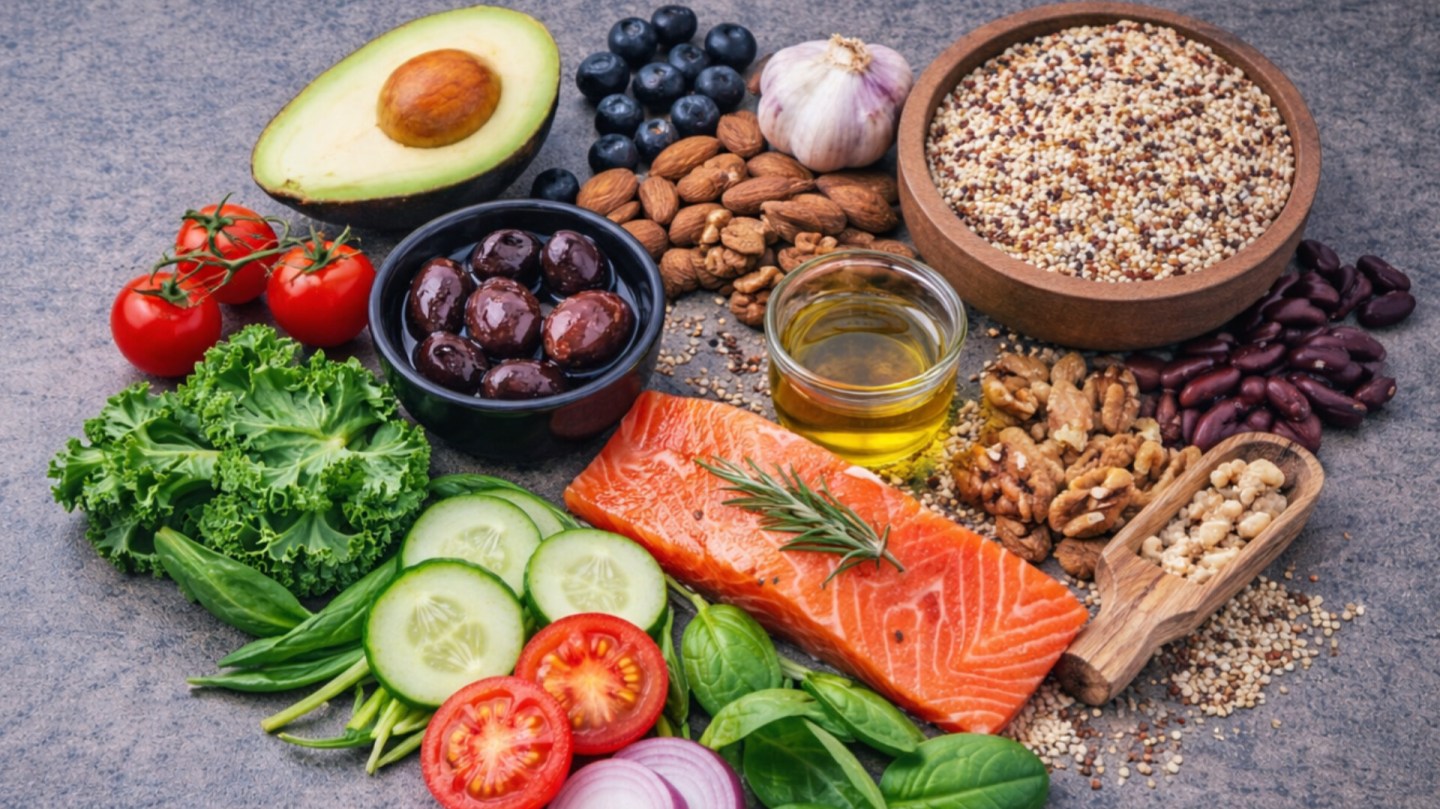
The Mediterranean diet is based on plant-based foods and follows this approach:
Replaces harmful fats with healthy, monounsaturated fats, which have been shown to reduce total cholesterol and low-density lipoproteins, known as LDL or “bad” cholesterol.
Includes foods rich in antioxidants and phytochemicals that help reduce inflammation in the arteries.
Supports healthy blood pressure by prioritizing potassium-rich foods and reducing salt intake.
Promotes whole grains, legumes, fruits and vegetables, which are rich in fiber, support gut health and reduce blood sugar fluctuations.
Encourages a healthy weight because it focuses on nutrient-dense, filling foods that naturally help prevent overeating.
Tips for adopting a Mediterranean diet
Try to consume 2 to 3 servings of fruit and 4 or more servings of vegetables per day. Expand your variety of fruits and vegetables with pomegranates, figs, grapes, peaches, nectarines, cantaloupe, spinach, kale, Swiss chard, collard greens and mustard greens. Swap snacks for fruits and vegetables when you feel like nibbling.
Choose whole grains. Switch to 100% whole-grain bread, cereal and pasta. Try other grains such as bulgur and farro.
Add nuts and seeds. These foods are high in fiber, protein and healthy fats. Aim for 4 servings of raw or unsalted nuts and seeds per week. One serving equals one quarter cup.
Use healthy fats. Try cooking with olive oil, avocado oil or grapeseed oil instead of butter. Instead of spreading butter or margarine on bread, try dipping it in flavored olive oil.
Eat fish twice a week. Fresh or water packed tuna, salmon, trout, mackerel, sardines and herring, along with seafood such as shrimp, crab and mussels, are rich in healthy omega-3 fats. Look to grill, steam or bake fish and seafood instead of frying them.
Reduce red meat. Replace red meat with fish, poultry, eggs, or legumes and lentils. If you do eat red meat, make sure it is lean, keep portions small — generally about 3 ounces of cooked meat and eat it in moderation.
Don’t forget dairy. Consume low fat or nonfat Greek or regular yogurt, cottage cheese, milk and a variety of soft cheeses. Try cheeses made from goat or sheep’s milk, such as chèvre or feta. Mix fresh or frozen fruit into yogurt to avoid added sugars.
Add spices. Herbs and spices enhance flavor and reduce the need for salt.
Drink wine or alcohol in moderation. While red wine is often an option in the Mediterranean diet, it is optional. If you drink wine or alcohol, limit intake to one drink or less per day. Light to moderate consumption may reduce the risk of heart disease, but in general, it is not recommended to start drinking alcohol or increase consumption. Remember to include water, as it is the best fluid for your body.
Modify your lifestyle. While much of the Mediterranean diet revolves around healthy eating, another important part involves slowing down and savoring life something most of us could benefit from to improve our well-being and mental health.
The basic principles of Mediterranean style eating include:
Sitting down at the table for at least two lunches or dinners per week.
Taking time to eat, without rushing.
Eating with friends and family
Engaging in physical activity with the goal of at least 150 minutes of moderate-intensity exercise per week.
“There are many eating plans, but the Mediterranean diet is a holistic approach that includes healthy and delicious foods, as well as lifestyle choices that promote well-being. Many people who adopt this style of eating say they will never eat another way,” says McCann.
-End-
Opinion pieces can be sent to us at onenewsstvincent@gmail.com.
The editor recommends a maximum of 600-800 words per article.




 One News SVG