

By Val Matthias. Updated 3:12 p.m., Thursday, February 12, 2026, Atlantic Standard Time (GMT-4).
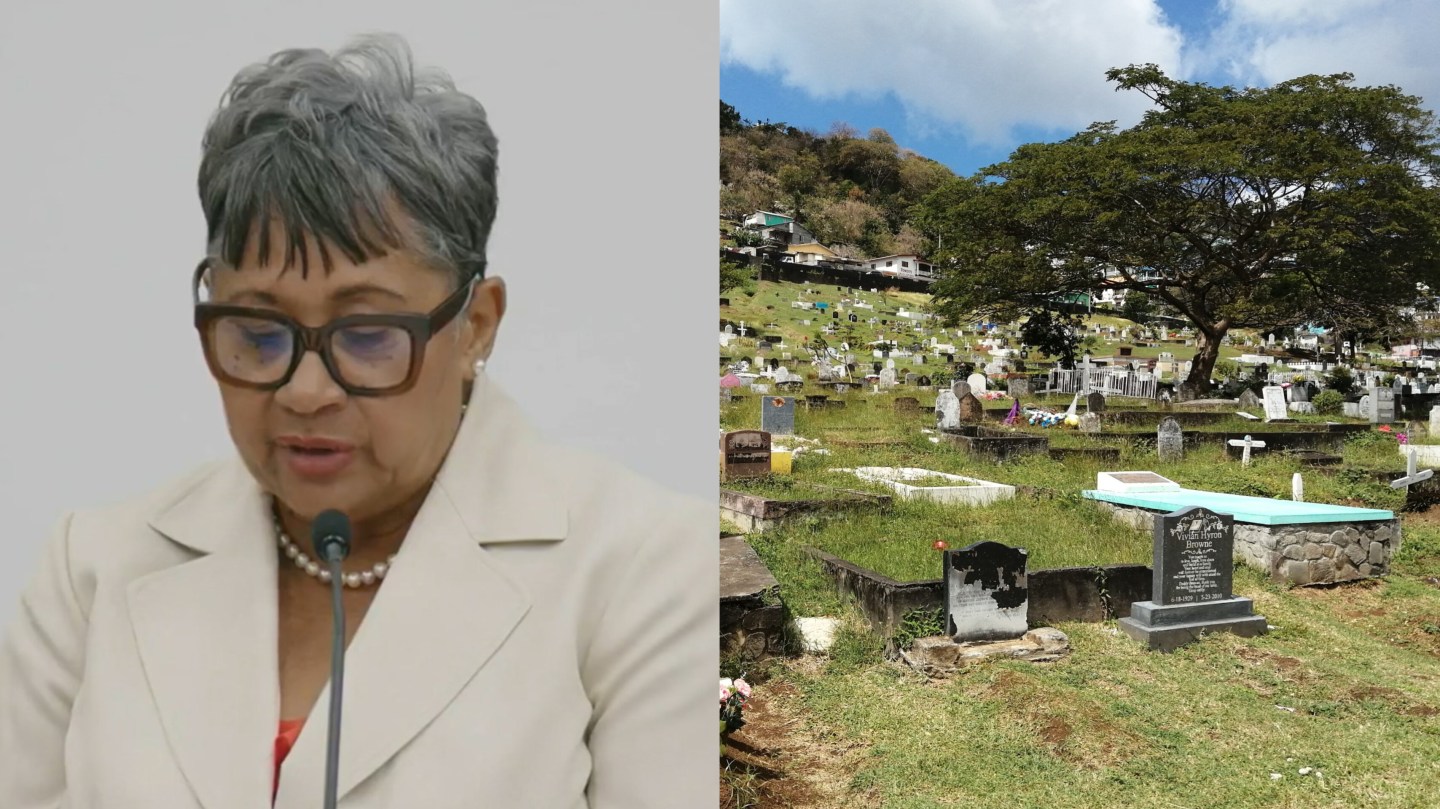
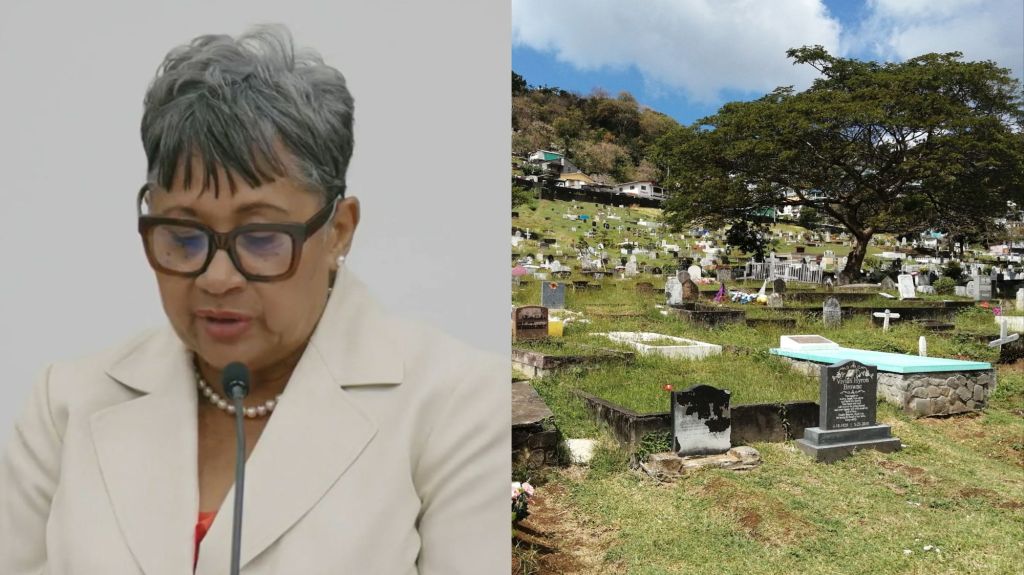
Cemetery capacity across St. Vincent and the Grenadines is tightening, with several burial grounds now at or approaching full use. Minister of the Family and Gender Affairs, Persons with Disabilities, and Labour, Laverne Gibson‑Velox, told Parliament during the 2026 budget debates that urgent measures are being taken to address the shortage.
She listed cemeteries at Darkview, Rose Hall, Belmont, Richland Park, Greiggs, Lowmans Winward, Port Elizabeth, Glebe Hill, Clifton, Lowmans Leeward, Golden Vale and Georgetown as sites already facing capacity constraints.

On a positive note, Minister Gibson‑Velox confirmed that the new Chapman Cemetery and a new cemetery for Greiggs are targeted for commissioning later this year.
The Minister further said that two capital projects have been earmarked to tackle the issue. The Cemetery Relocation Project budgeted at $342,000 will oversee the exhumation and reburial of remains from 120 graves at Darkview, Old Sandy Bay and Old Park Hill. The Minister acknowledged delays due to legal requirements but expressed hope that bottlenecks would be cleared in 2026.
The second initiative, the Cemetery Management Project budgeted at $146,000, aims to modernise operations. Plans include consultancy on burial methods, lifespan projections for cemeteries, guidelines for new sites, electronic databases of interments, and digital grave mapping at ten government‑owned cemeteries.

The Minister emphasised continued collaboration with the Ministry of Housing and the Ministry of Transport and Infrastructure to secure new lands and mitigate hazards affecting burial grounds.
The overall capital programme for her ministry in 2026 totals $1.76 million, covering six funded projects.
The shortage of cemetery space is not new. Government officials have previously warned that nearly a quarter of the nation’s 45 cemeteries are already full or nearing capacity, with land scarcity and climate pressures compounding the problem. Traditional burial practices, which restrict reuse of graves for at least seven years, have also accelerated the demand for new sites.
END


 One News SVG