

By S.Browne. Updated 3:25 p.m., Friday, March 6, 2026, Atlantic Standard Time (GMT-4).
The Ministry of Health, Wellness, Environmental Health and Energy (MOHWEE) is urging residents across St. Vincent and the Grenadines to practice safe water storage methods to lower the risk of mosquito-borne diseases such as Dengue, Chikungunya, and Zika during the ongoing dry season.
To reduce mosquito breeding and the risk of disease, the Ministry is urging residents to cover water containers tightly, empty and clean containers weekly, properly store or dispose of unused containers, clear gutters and drains regularly, use mosquito repellents, wear long-sleeved clothing during early morning and late afternoon when mosquitoes are most active, and install or repair window and door screens.

The Ministry said persons infected with Dengue, Chikungunya, or Zika may experience sudden fever, severe joint or muscle pain, headache, fatigue, or rash. Residents with these symptoms are encouraged to seek medical attention promptly and may take paracetamol (Panadol) for relief. The Ministry noted that nonsteroidal anti-inflammatory drugs, such as ibuprofen, should be avoided until assessed by a healthcare provider.
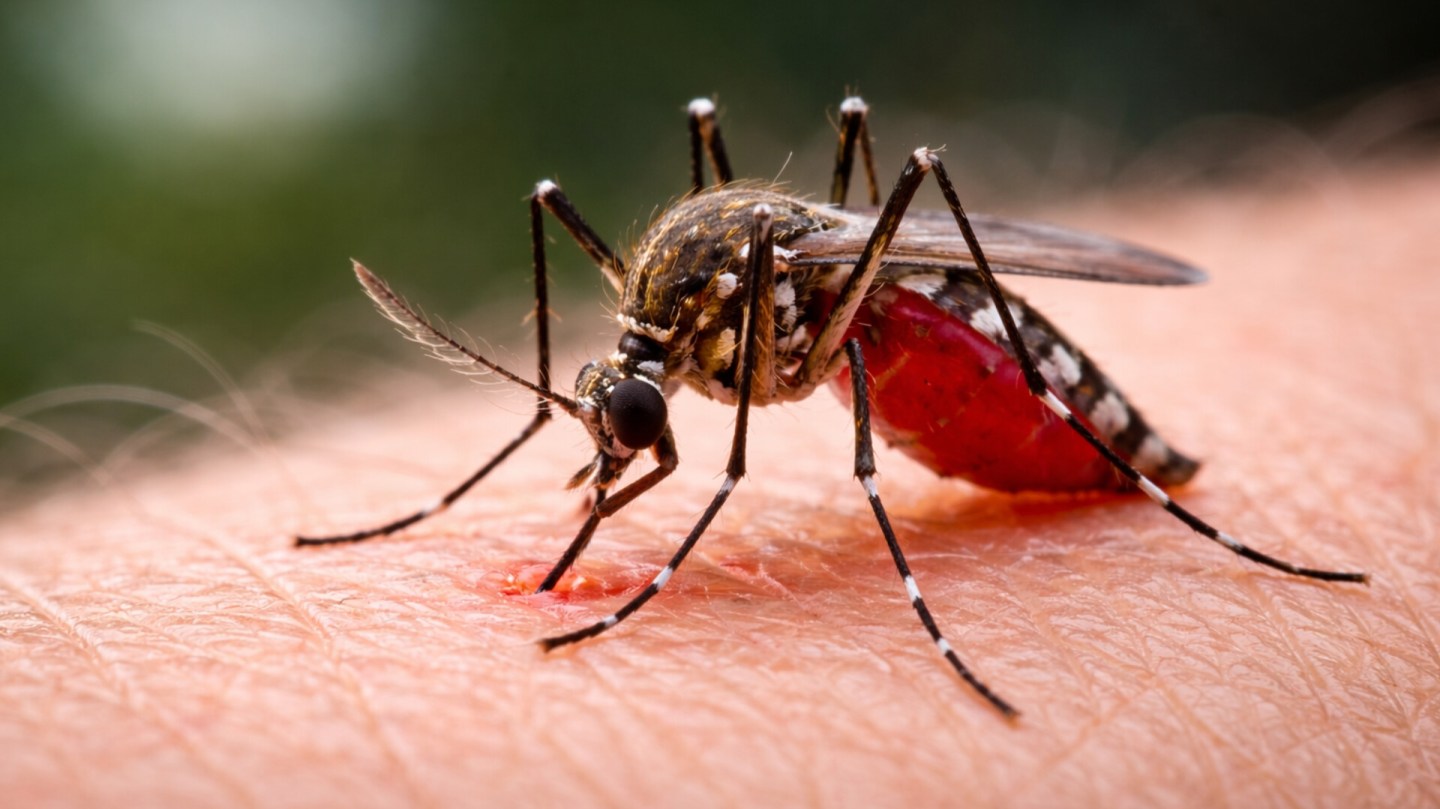
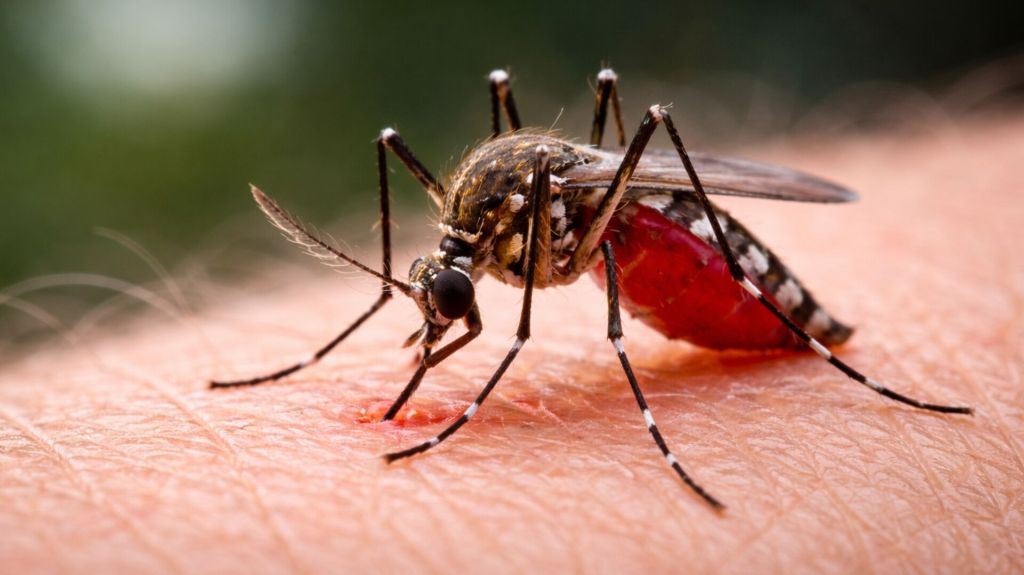
Chikungunya is a viral disease transmitted by the Aedes aegypti mosquito, which also spreads Dengue and Zika. This mosquito breeds in clean, stagnant water commonly found around homes, including drums, buckets, flower pots, discarded tires, and clogged gutters.
The Ministry added that it will continue to strengthen surveillance, vector control, and public education across all health districts, and urges residents to take proactive steps to protect their health during this period.
END
The information was sourced from a press release sent to us by The Ministry of Health, Wellness, Environmental Health and Energy (MOHWEE).




 One News SVG