
By Val Matthias. Updated 9:45 p.m., Wednesday, March 18, 2026, Atlantic Standard Time (GMT-4).
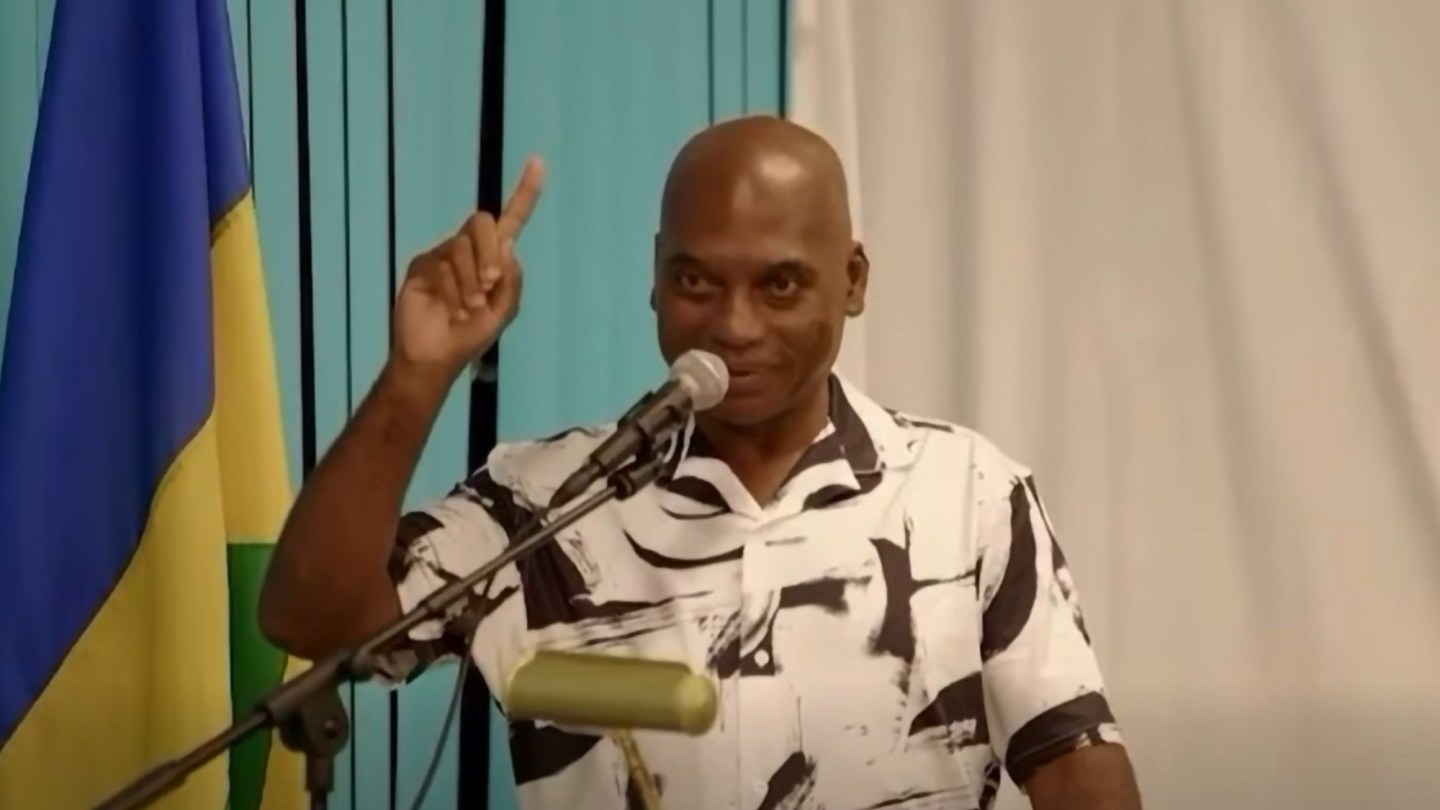
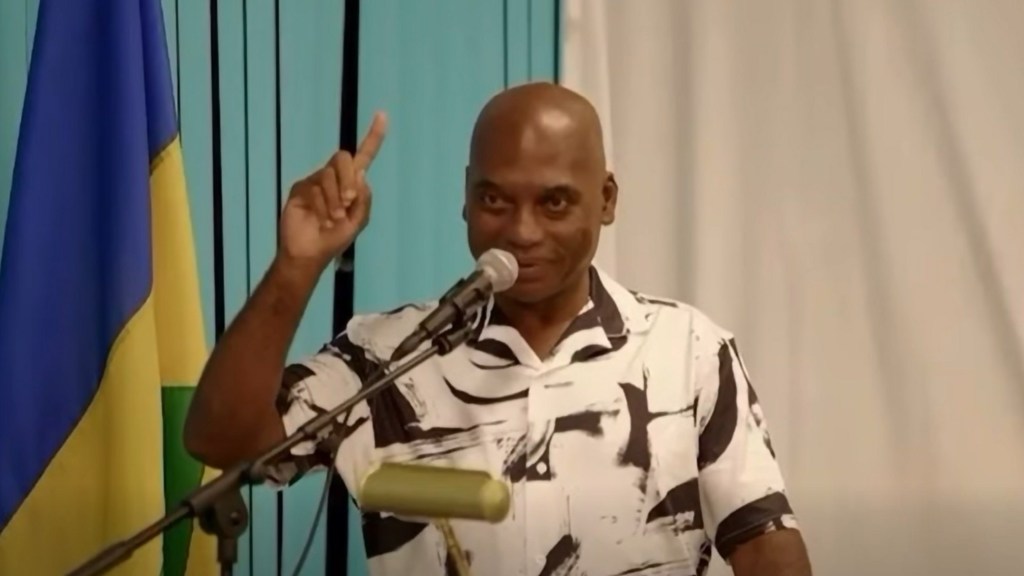
Vincentian historian and University of the West Indies (UWI) Cave Hill lecturer, Dr. Cleve Scott, has urged the nation to rethink the scope of National Heroes Day, arguing that March 14th has become narrowly defined by Garifuna identity and the legacy of Paramount Chief Joseph Chatoyer.
Speaking on WEFM’s Issue at Hand program, Dr. Scott reflected on his role in drafting the declaration that named Chatoyer as the country’s first national hero 25 years ago. While acknowledging Chatoyer’s significance, he expressed concern that the commemoration has remained “stuck at 1795, 1797,” failing to honor the contributions of other ethnic groups and historical figures.
“It irks me that having written about Chatoyer and having him declared a first national hero, we still are stuck in 1795, as if we are afraid to face our recent past, as if we are afraid to recognize people who are Black, who are Indian, who are Portuguese, and who are white,” Dr. Scott said.

He suggested renaming March 14th as Chatoyer Day or Garifuna day, while creating space for additional heroes to be recognized on other occasions. Dr. Scott highlighted overlooked figures such as enslaved women who resisted plantation owners, Baptist preacher who led property riots, and other individuals from diverse backgrounds who shaped Vincentian society.
National Heroes Day was first observed in 2002 to honorChatoyer, who led resistance against British colonial forces. However, Dr. Scott emphasized that emancipation struggles, East Indian migration, Portuguese settlement, and broader Black contributions remain underrepresented in the national narrative.
The discussion raises questions about whether the nation’s identity should continue to centre on Garifuna resistance alone or expand to reflect the full spectrum of its historical actors.
National Heroes Day in St. Vincent and the Grenadines is observed every year on March 14th to honor Paramount Chief Joseph Chatoyer, who was killed in battle against British troops in 1795. It is the only day officially dedicated to a national hero, and Chatoyer remains the sole figure recognized under the law.
Under the National Heroes Act of 2002, the Government of St. Vincent and the Grenadines has the authority to confer the title of “National Hero” on individuals who have made extraordinary contributions to the nation’s development, identity, and independence.
While other Caribbean nations have expanded their pantheon of heroes to reflect diverse ethnic, political, and social contributions, St. Vincent has yet to do so. Dr. Scott’s call therefore touches not only on history but also on law and national identity, raising the question of whether the country should broaden its recognition to include other figures who embody courage, sacrifice, and leadership across different communities.
END



 One News SVG