

By Val Matthias. Updated 12:20 p.m., Monday, April 6, 2026, Atlantic Standard Time (GMT-4).
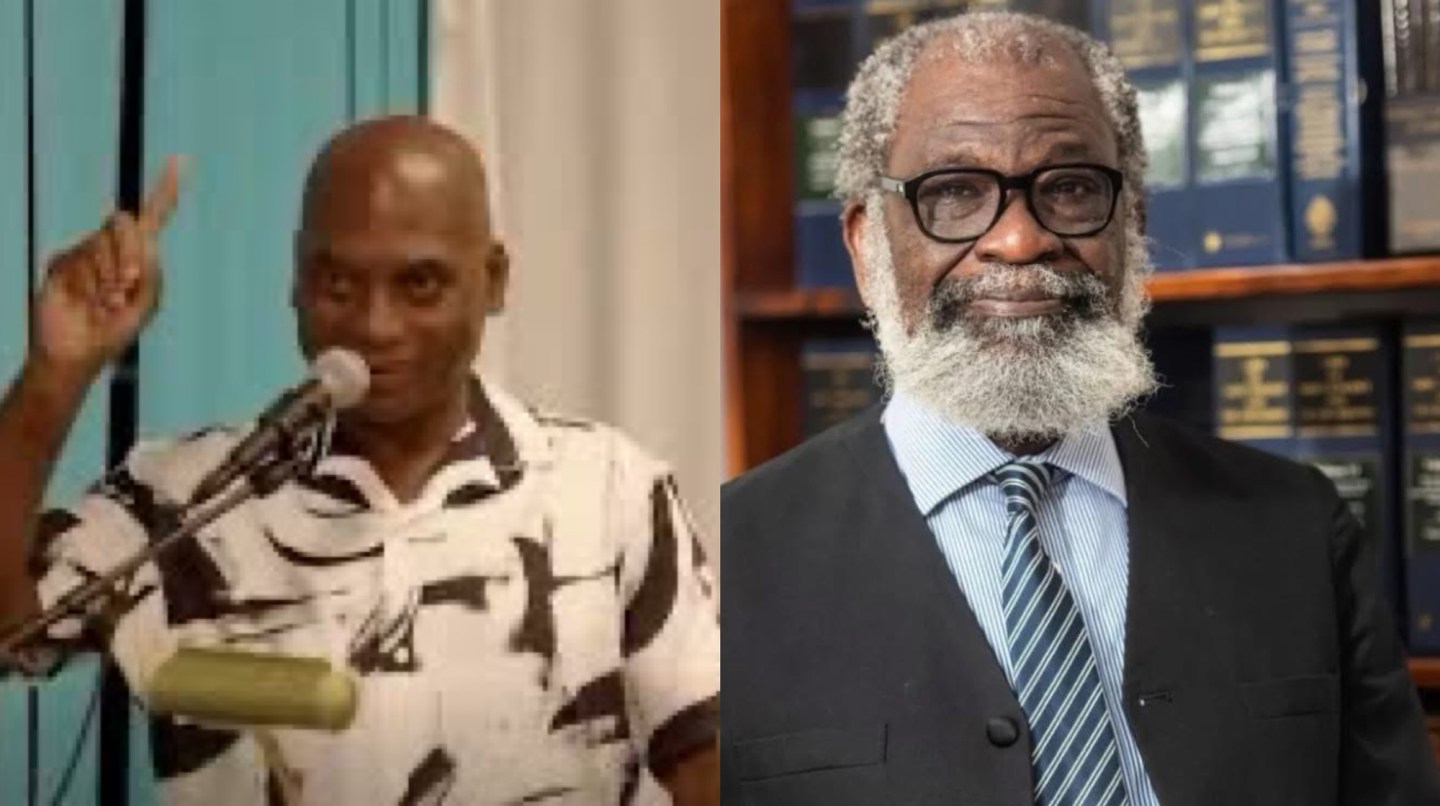
Historian Dr. Cleve Scott has called on the Government of St. Vincent and the Grenadines to mandate the office of the Governor General to establish a Chancery, which is a formal body that would administer a new system of national honors and recognition.
“I’m advocating that the current government mandate the Governor General’s office, His Excellency the Governor General Stanley “Stalky” John, KC, with a chancery to do these kinds of things such awards for nationals honors,” Dr. Scott said during a recent interview with One News SVG.
A chancery, in this context, refers to the official office responsible for managing state honors, awards, and ceremonial recognition. Dr. Scott argues that nearly 50 years after independence, the country must move beyond reliance on British Honours and create its own framework to celebrate Vincentian heroes and community leaders.

Dr. Scott has previously suggested separating National Heroes Day from Garifuna Day. Currently, March 14th is observed as National Heroes Day, but he argues the date is heavily focused on Paramount Chief Joseph Chatoyer and Garifuna heritage.
His proposal would designate March 14th as Chatoyer and Garifuna Day, while creating a new National Heroes Day to honor a wider range of figures. This would include not only national heroes but also community leaders, teachers, nurses, public servants, sportsmen, entertainers, and others who have made significant contributions.
“The nation needs to demonstrate to citizens, whether they be young people, that within their communities there are people to emulate and feel good about it,” Dr. Scott said.
Dr. Scott outlined several benefits of the new system National identity and pride Encouraging Vincentians to recognize role models from their own communities. Heritage preservation, linking heroes to tangible sites and Tourism and economic growth Turning heritage into attractions that taxi drivers and tour guides can showcase to visitors and inclusivity recognizing “ordinary men in ordinary villages” who would not qualify under the British Honours system.
In relation to the British Honours system Dr. Scott’s view is that it is “very limited,” noting that it often excludes grassroots figures. He emphasized that while citizens should retain the option to accept British awards, a homegrown system would allow Vincentians to “feel proud to get for example the breadfruit leaf award.”
While Dr. Scott did not set a timeline, he urged the government to act quickly. He pointed out that a framework for national honors had already been drafted under theprevious New Democratic Party (NDP) administration, and that it was “highly long overdue” for implementation.
“Almost 50 years after independence, we can’t celebrate people? We need a national system of honors, and therefore the mechanism should be put in place to have it in effect,” he said.
The Governor General serves as the representative of the Head of State and is traditionally the custodian of national honors. By protocol, the Governor General’s office is the authority empowered to confer awards and distinctions. Dr. Scott believes this makes it the appropriate institution to oversee a Vincentian system of honors.
END



 One News SVG