

By Val Matthias. Updated 9:27 a.m., Tuesday, May 12, 2026, Atlantic Standard Time (GMT-4).
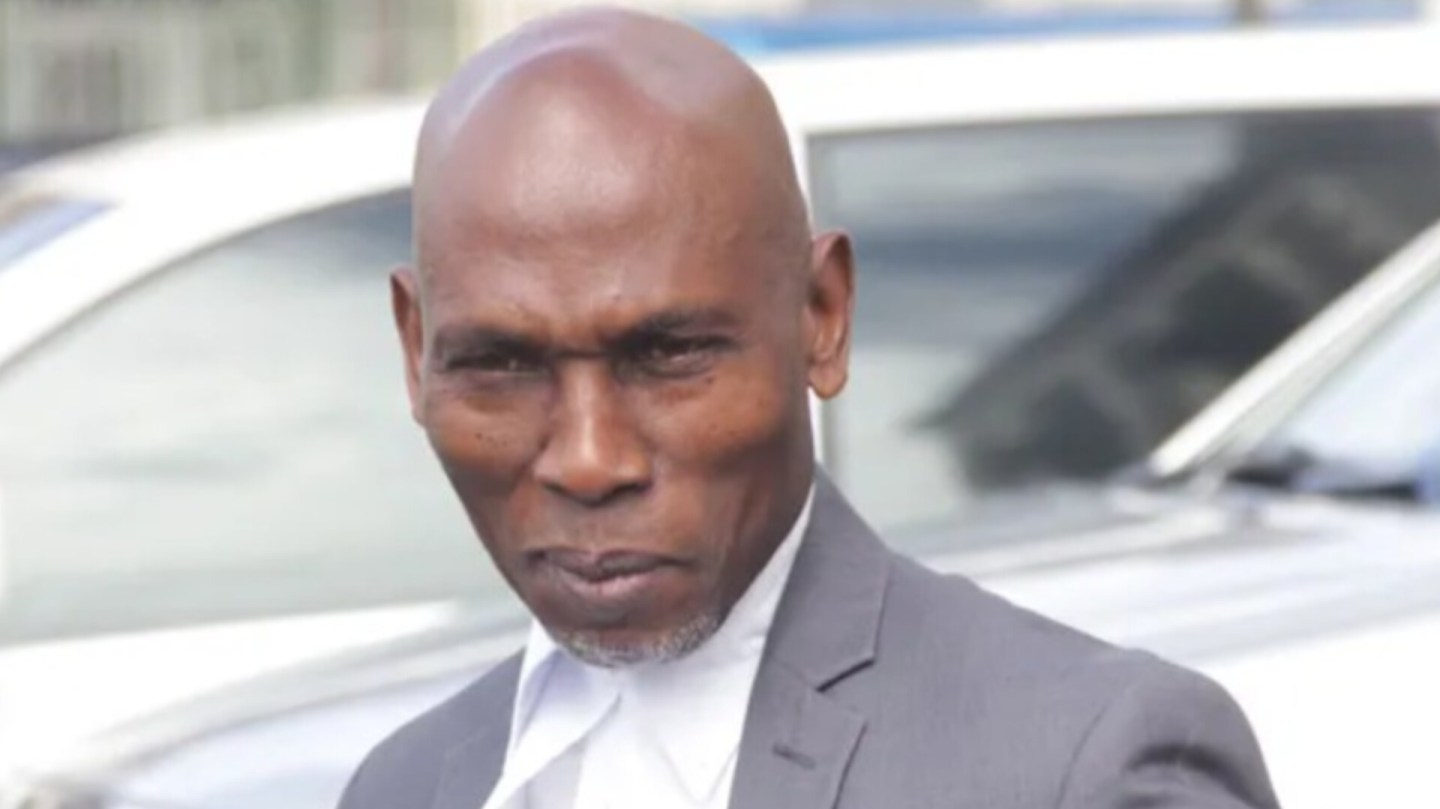
Lawyer and commentator Jomo Thomas have criticised proposals to place police officers in schools in Saint Vincent and the Grenadines, warning that such a move could militarise the education system rather than address the root causes of student violence and behavioural issues.
Speaking during his Plain Talk commentary programme on Boom FM 106.9, Thomas said he was deeply concerned by recent discussions surrounding possible changes within the police force and suggestions that officers could be deployed to schools in response to reports of gang activity, violence and weapons being found on compounds.
“I think it’s a horrible suggestion,” Thomas said, adding that he did not understand “where our Security Minister, St. Clair Leacock, is going with that idea.”
Thomas said that introducing police into schools risks creating a heavily securitised learning environment similar to that seen in parts of the United States, where schools employ metal detectors, electronic gates and armed guards.

Referring to incidents of mass violence in American schools, he questioned whether such security-focused approaches had proven effective.
“The military administrative solution to problems is a problem,” he said. “Invariably, they fail.”
Instead of increasing police presence, Thomas said the country should focus on understanding why some young people are becoming involved in violence or disruptive behaviour.
He maintained that incidents of gang violence and school-based conflict remain relatively limited and warned against exaggerating the scale of the issue into what he described as a national crisis.
“This is not to say it’s not a problem,” he said, “but we shouldn’t magnify them into major national problems.”
Thomas called for greater investment in counselling services, teacher training and student welfare programmes across the education system.
He argued that every school should have at least one or two trained counsellors capable of supporting students dealing with emotional, social and family challenges.

According to Thomas, many students are navigating difficult circumstances, including poverty, unstable home environments, parental separation and exposure to harmful content through smartphones and social media.
He also said teachers should be trained to identify behavioural changes in students and intervene early when signs of distress emerge.
“We want to have teachers who are trained and alert,” he said. “Let that student feel cared for and loved.”
Thomas further linked student behaviour to poor nutrition and unhealthy processed foods, arguing that excessive sugar consumption can contribute to mood swings and behavioural instability among children.
Beyond student welfare, he criticised long-standing inequalities within the education system, saying some schools had effectively become repositories for students perceived as underperforming or difficult.
Thomas urged the government to prioritise improvements in school infrastructure, nutrition, counselling and specialised teacher training instead of adopting what he repeatedly described as an “administrative fix”.
He called on the government, security officials and education authorities to avoid reactive policing measures and instead pursue long-term social and educational reforms.
“I beg our people, I beg our government, I beg our security chief, I beg our prime minister not to take an administrative approach to solving problems,” Thomas said.
END



 One News SVG