

The views expressed herein are solely those of the writer and do not necessarily reflect the views of One News SVG.
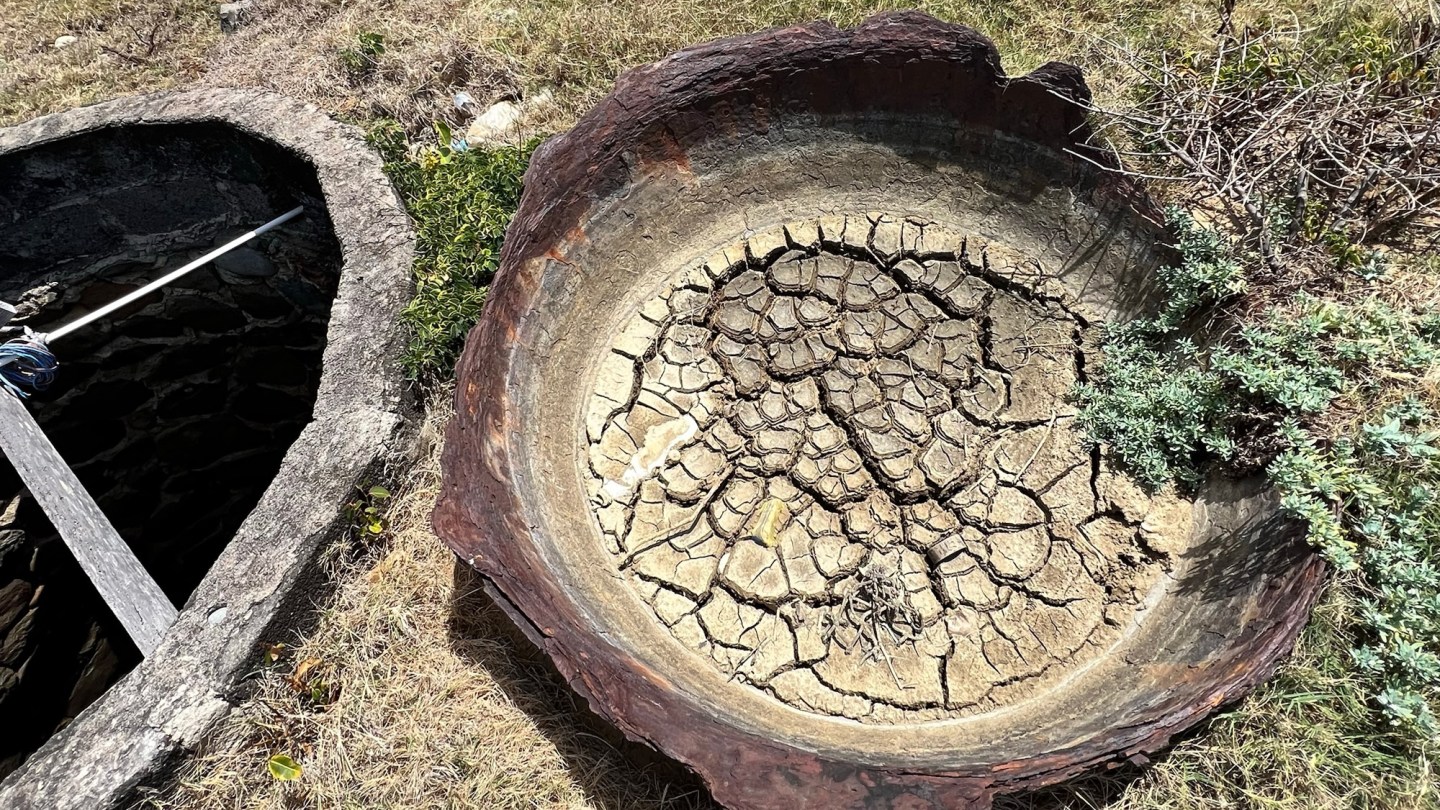
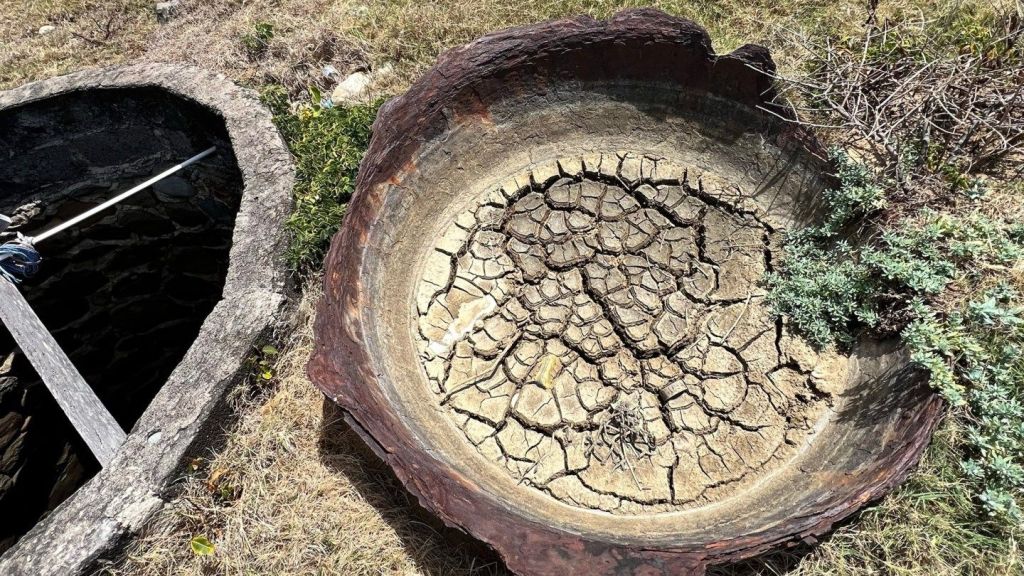
St. Vincent and the Grenadines is already feeling the pressure of drought. For many Vincentians, this is not an abstract climate warning. It is a daily concern about water for the tank, the pipes, cooking, washing, farming, livestock, small businesses, elderly relatives, children, and vulnerable households.
Scientifically, drought develops when rainfall remains below normal while heat, evaporation, and water demand increase. This reduces streamflow, lowers water storage, stresses crops and livestock, and limits the water available for homes, farms, and businesses. In small island states like ours, the impacts can be felt quickly because many communities depend on limited catchments, storage systems, springs, rivers, and rainfall patterns, especially in the Grenadine Islands. Drought, therefore, becomes more than a dry-weather event. It becomes a chain reaction affecting food, income, sanitation, health, and emotional well-being.
Drought is not only a water problem. It is also a livelihood problem, a public health problem, and a mental health problem. When water becomes uncertain, people do not only count buckets. They count losses, bills, crops, customers, and days of stress. Parents worry about children. Farmers worry about fields. Small businesses worry about staying open. Elderly people and people with disabilities may worry about relying on others. Low-income households may worry because they cannot simply buy a large tank, install a pump, or purchase bottled water every week.
This is why drought preparedness is important. Every household should have a simple water plan. Store clean water safely in covered containers. Keep drinking water separate from water used for washing or flushing. Clean tanks, drums, and buckets before use. Reduce non-essential water use early, including pressure washing, washing vehicles, watering ornamental plants, or leaving taps running. In a drought, conservation is not punishment. It is protection.
Families should also agree on priorities. Drinking, cooking, medication, infants, elderly persons, persons with disabilities, and basic hygiene must come first. A clear household routine can reduce arguments and anxiety. Climate-related stress is now recognised as a public health concern because prolonged heat, water scarcity, livelihood loss, and uncertainty can increase anxiety, irritability, poor sleep, family tension, and feelings of helplessness. Talking openly, sharing tasks fairly, checking on each other, and taking breaks from constant worrying are all part of coping.
Communities also have a role. Churches, schools, clinics, NGOs, village groups, and disaster committees should identify vulnerable persons before the situation worsens. Who lives alone? Who cannot lift heavy containers? Which households have many children? Which farmers or small vendors are at risk of losing income? Preparedness must be neighbour-to-neighbour, not only government-to-household.
The business sector can also help ease the pressure. Tank suppliers, hardware stores, wholesalers, plumbers, shipping companies, banks, credit unions, and corporate sponsors should see themselves as partners in resilience. Temporary discounts on tanks and fittings, payment plans, community tank sponsorships, farmer support packages, and fair pricing can make a real difference. Create online training videos on installation and tank management, and provide free tank installation services, especially for households. Drought must not become an excuse for price gouging. A tank sold responsibly, or donated to a vulnerable household or community centre, can protect health, dignity, and livelihoods.
Farmers and small businesses must also plan carefully. Farmers can use mulching, drip irrigation where possible, shade protection, careful water scheduling, and a small water catchment to collect sudden rainfall. Livestock owners should secure drinking water early and reduce heat stress on animals. Small businesses should estimate daily water needs and store what they reasonably can. Protecting water means protecting income.
St. Vincent and the Grenadines have faced storms, eruptions, floods, and hardship before. Drought is a quieter test, but it is still serious. It tests our planning, patience, fairness, and compassion.
Before the dry season breaks us, let us ready our minds, homes, and communities. Store what we can. Conserve what we have. Share where we are able. Check on those who may not ask for help. When water runs low, our discipline and community spirit must not run low with it.
Written by: Andrea A. Gaymes Mohess,
Environment Natural Resource and Climate Specialist, and Psychologist.
END
Opinion pieces can be sent to us at onenewsstvincent@gmail.com.
The editor recommends a maximum of 600-800 words per article.





 One News SVG