
By S.Browne. Updated 4:15 p.m., Thursday, July 2, 2026, Atlantic Standard Time (GMT-4).
St Vincent and the Grenadines has secured an EC$1.3 million technical cooperation project with the Food and Agriculture Organization of the United Nations (FAO) to expand the country’s ongoing digital transformation of the agriculture and fisheries sectors.
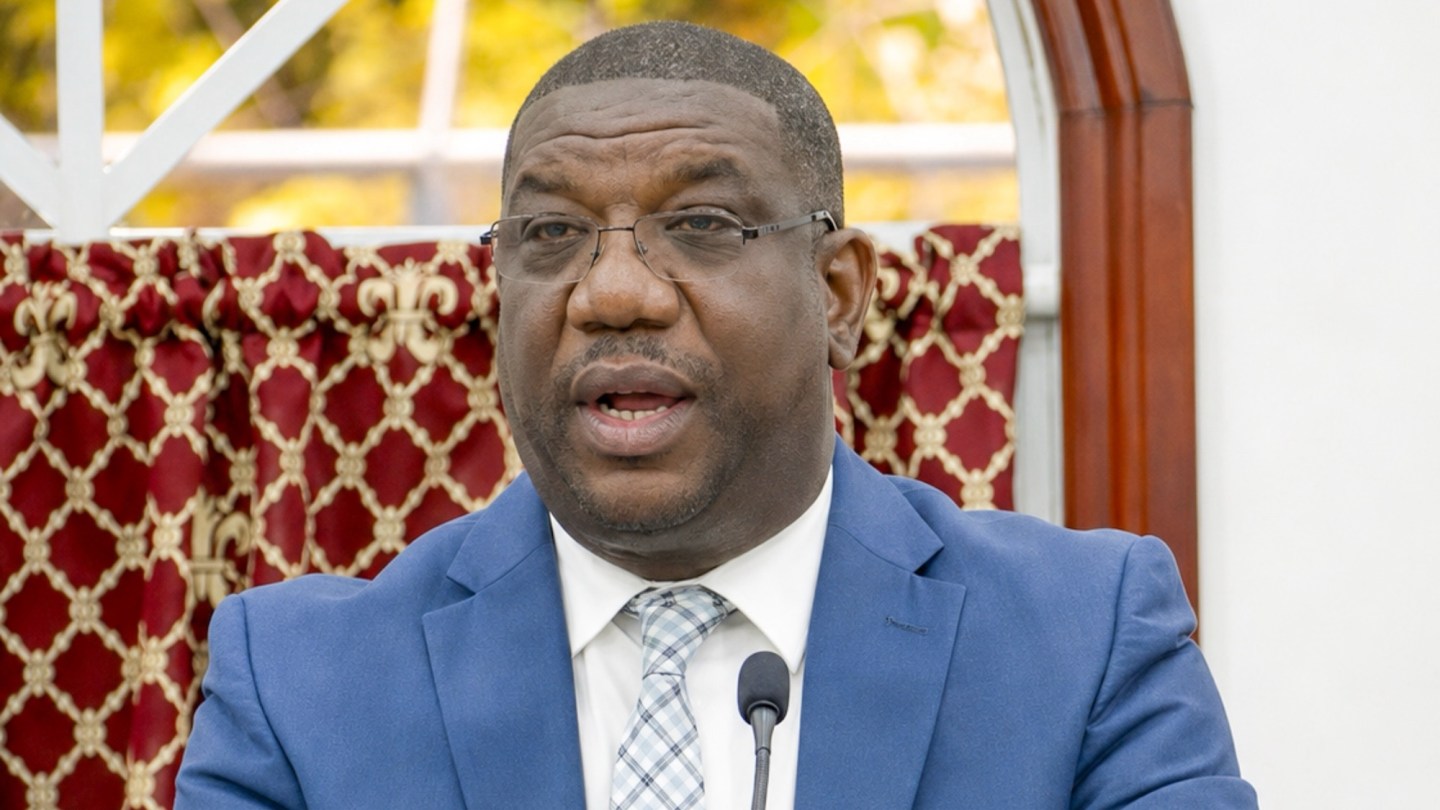
The project, titled “Geospatial Systems for Data-Driven Agriculture and Coastal Risk Management,” was announced in Parliament on July 2, 2026, by the Minister of Agriculture, Forestry and Rural Transformation, Israel Bruce, who said it will strengthen the country’s ability to manage agriculture, fisheries and coastal resources as climate change and other environmental challenges continue to affect the nation.
The initiative builds on previous FAO support, including the establishment of a national drone team in 2023 and 2024, but is intended to strengthen the country’s digital capabilities through improved technology, training and data systems.
“This project is to the tune of Eastern Caribbean 1.3 million dollars. This project is rather important… in that both our agriculture and our fisheries sectors face increasing threats,” the Minister told Parliament.
He said those threats include climate variability and extreme weather, degradation of coastal ecosystems, invasive species, limited access to real-time data for decision-making, and gaps in advanced geospatial and digital capabilities.
Among the project’s key components is the introduction of two agriculture-grade drones equipped with multispectral sensors to improve monitoring of crop health, land use and pest outbreaks. The programme will also provide specialised training for agricultural officers in drone operations, Geographic Information Systems (GIS) and digital field data collection.
A central feature of the project is the development of a national geospatial database and a management information system that will bring together geospatial and production data from both the agriculture and fisheries sectors to support planning and decision-making.
“What this will do… is that it will modernise our surveillance of crop health, land use and pest outbreaks, enabling faster and more targeted responses,” the Minister said.
The project will also support the preparation of financing proposals to help secure additional development funding to expand digital agriculture and disaster risk management beyond the life of the FAO programme.
The Minister said the Ministry of Agriculture will retain ownership of all equipment, software and datasets developed under the project and will be responsible for maintaining the systems after the programme ends to ensure they become a permanent national asset.
Training opportunities will also be reserved for women and young people as part of Government’s efforts to encourage greater participation in agriculture and improve access to emerging technologies.
The Minister said the initiative is expected to strengthen climate resilience, improve early warning and disaster preparedness, enhance national planning and resource management, and build a skilled cadre of Vincentian geospatial professionals.
“This project presents another critical step in the march from recovery to resilience in how we manage our land, our seas and our food systems,” he said.
The Minister also thanked the Food and Agriculture Organization of the United Nations (FAO) for its continued partnership and reaffirmed the Government’s commitment to ensuring the benefits of the investment are sustained for generations to come.
END
 One News SVG